Bent on
Purpose.
Every snowboard is a bent plank with an opinion. Camber, rocker, the banana, the swallowtail: how the bend under your feet decides whether you pop, float, carve or eat it, and which board belongs to which kind of degenerate.
There are still ski resorts in America that will not let you in with a snowboard. Alta and Deer Valley in Utah, and Mad River Glen in Vermont: skis only, no exceptions. In 2014 a group of snowboarders sued Alta, arguing that a resort on public Forest Service land can't ban a whole sport. A federal judge threw it out, and an appeals court agreed. The ban stands.
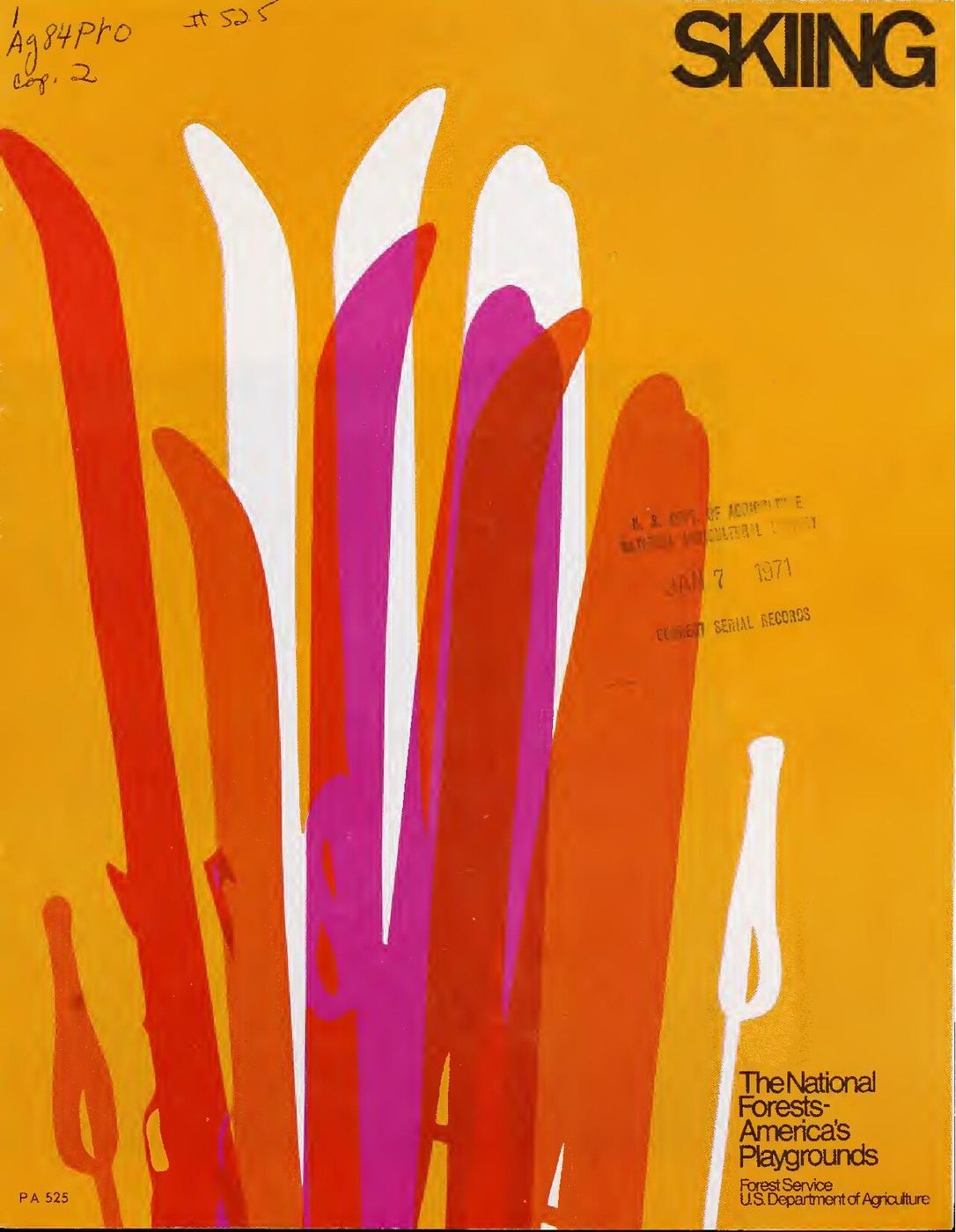
That's the energy snowboarding was born into. In the 1980s most resorts banned it. The people riding were skate kids, surf kids and punks who wanted to go down a mountain sideways, and the mountain didn't want them. They rode anyway, built their own gear in garages, and ended up in the Olympics. (Section 05 has the bit where the first Olympic gold medal got confiscated over weed.)
Underneath all of that is one plank of wood, fibreglass and steel edges. Before you pick one, you need to know the single most important thing about it, and it isn't the graphic. It's the bend.
i was also banned from a mountain. different reasons. similar energy.
The bend is the personality
PROFILE // SIDE VIEWLay a board flat on the floor and look at it from the side. That shape is called its profile, and every board is one of two ideas, or a mix of both.
Camber arches up in the middle like an archer's bow. Only the two ends touch the floor. When you stand on it, your weight flattens the arch and pushes the ends of the edges into the snow. That's edge grip. Flex it hard and let go, and it springs back like a bow, which is pop.
Rocker is the opposite: a banana. The middle touches and the ends curl up off the snow. The tips ride up and over things instead of digging in, so it floats in powder, pivots easily and forgives sloppy moves. It's like riding a banana because it is one.
If you know a bit of engineering: a snowboard is a beam, and camber is a beam that's been pre-bent against the load. Your weight does work flattening it, and the board gives that energy back when you unweight. That's why camber pops and rocker feels dead off a jump. A rocker board has no stored bend to give back.
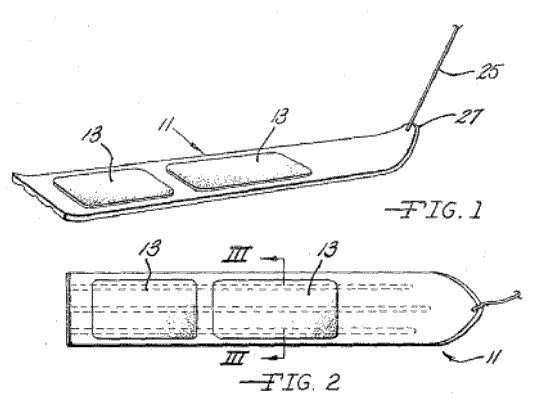
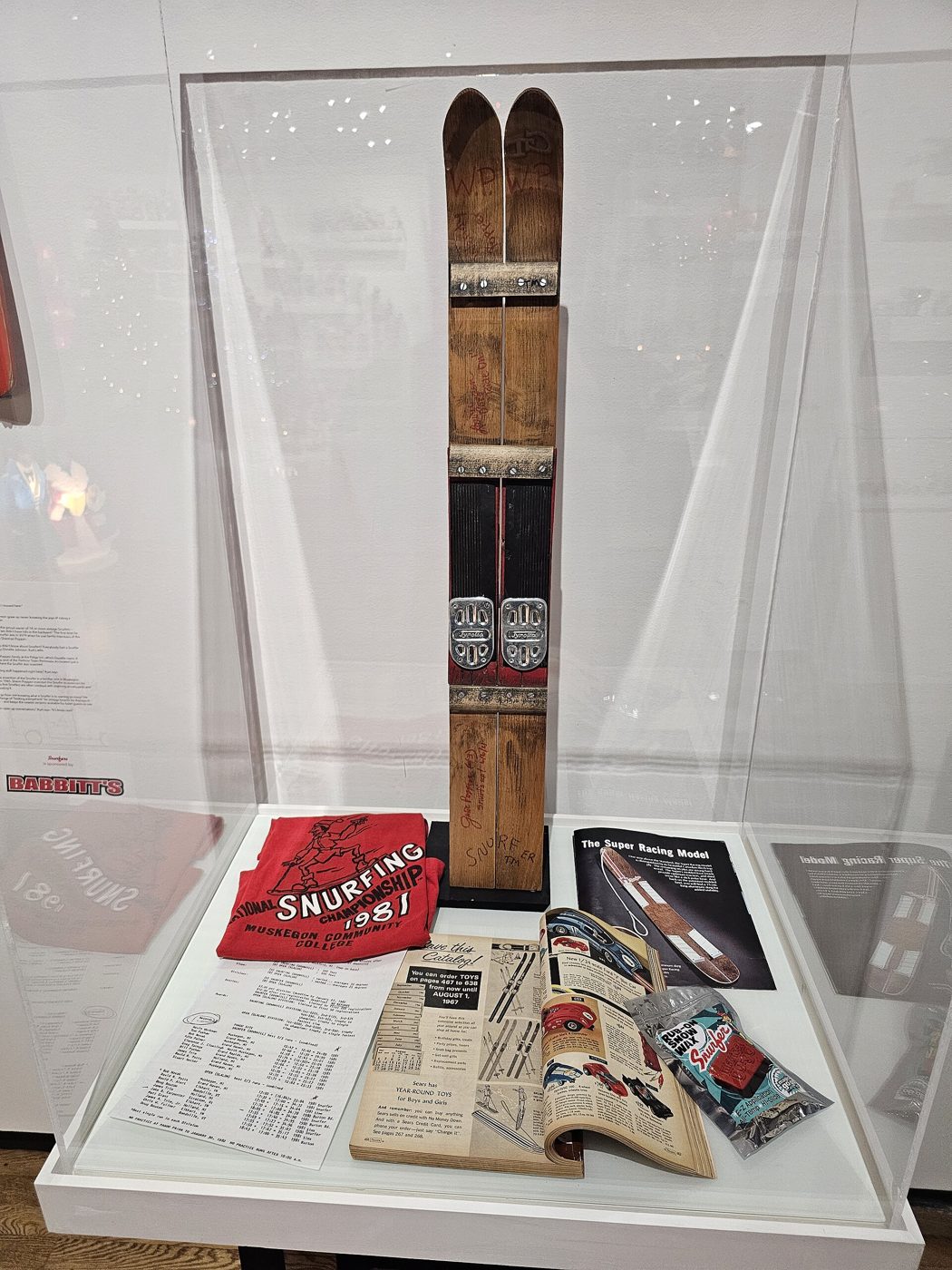
Christmas 1965. An engineer named Sherman Poppen bolted two kids' skis together so his daughter could stand on them and surf down a snowy hill. His wife named it the Snurfer: snow plus surfer. No bindings. You steered with a rope tied to the nose.
It sold by the hundreds of thousands as a toy, and Snurfer contests followed. A kid called Jake Burton Carpenter entered them, thought he could do better, and in 1977 started a board company in Vermont. You've seen his name on half the boards on the lift.
Who put the banana in it
🍌 BANANA TECHBEEFFor about 30 years basically every board was cambered, because that's what skis did. Then in the mid-2000s, a weirdo board company out of Washington State, Lib Tech, started selling boards bent the other way and called it Banana Tech. Some riders said it felt like cheating. Within a few seasons almost every brand had a rocker board.
The same company is known for Magne-Traction: steel edges with bumps along them, like a serrated steak knife. A straight edge on ice is like a butter knife on a tomato. The bumps give it more places to bite.
After the banana came the hybrids. Engineers stopped asking "camber or rocker?" and started asking "which bits of the board should do which job?" Camber where you want grip and pop, rocker where you want float and forgiveness. That's why most boards in the shop now are a mix, and why every brand gives its mix a name you can't remember.
someone saw a banana and said "i could go faster on that." i respect it. i've said the same about worse things.
Meet the bends
PICK YOUR PROFILERANKED BY ATTITUDEScored from ■□□□□ to ■■■■■. Every board is a trade: nothing gets all fives.
Full camber // traditional · "positive camber"
The original. It grips ice, holds a carve at speed, and springs off every lip. It also punishes you: with both contact points on the snow, a lazy edge catches and slams you. Precise, loud and honest.
Rocker // reverse camber · "banana"
Loose, surfy and very hard to catch an edge on, because the edge ends are lifted off the snow. It floats in powder and butters like it's made of butter. The cost: less grip on hardpack, and it can feel washy and vague when you open it up.
Flat // zero camber
Dead flat between the feet. It's stable on rails and boxes, predictable, and a good middle ground for learning tricks. It does nothing extreme, which is exactly the point.
Hybrid camber // rocker–camber–rocker
Camber through the middle for grip and pop, with rockered tips so the nose stays up in soft snow and the ends don't hook. This is the "one board for everything" shape most all-mountain boards use.
TWIN
Hybrid rocker // camber–rocker–camber
Rocker between your feet, camber under each foot. The middle lets you press, butter and spin without catching. The camber under your feet still bites on a turn. Playful, but not useless on ice.
Spoons, bumps and stubbies // the experimental shelf
3D / spoon bases: the base curls up toward the edges near the tips, like the bowl of a spoon, so the nose glides instead of hooking. Serrated edges: extra bite on ice. Volume-shifted boards: shorter and wider than you'd normally ride, so you get the float of a big board with the quickness of a small one.
Noses, tails and shapes
TOP VIEWTrue twin. Identical nose and tail, feet centred. Ride it forwards or backwards ("switch") and it feels the same. That's what you want for park, spins and landing backwards on purpose.
Directional twin. Twin-ish shape, but the stance is set back a bit, and often the nose is a little softer or longer. Rides switch fine, floats a bit better. The default for most people.
Directional. It has a front. The nose is longer and often has more rocker, your feet sit toward the tail (that's setback), and some taper: the nose is wider than the tail. In powder the nose rises and the tail sinks, like a surfboard. Great going forward, awkward backward.
Swallowtail. A split, forked tail stolen straight from surfboards. Less tail means it sinks and pivots easily in deep snow. On groomers it's a bit of a fish out of water. That's literally why some of them are called fish.
Nose shapes. A classic round nose does everything. A blunt or flat-cut nose takes length off the ends, making the board quicker to swing around without losing edge underfoot. A pointed powder nose cuts through deep snow and looks fast standing still.
Look from above and the edges aren't straight: they curve in at the middle. That curve is the sidecut, usually part of a circle with a radius of about 7 to 9 metres. Tip the board on edge, press it into the snow until it bends to meet it, and it carves an arc.
A handy rule for clean carves: turn radius ≈ sidecut radius × cos(edge angle). The more you tip it over, the tighter it turns. That's why good carvers look like they're lying on the snow.
i have a directional personality. i only go forward. backwards is for people with regrets.
When the snow wins
ERR: EDGE CAUGHT 💥HALL OF SHAMEyep, that's me, face down on a green run, with my board pointing at the sky. you're probably wondering how i got here. two words: caught edge.
A caught edge is the slam everybody knows. You're sliding flat, the downhill edge touches the snow for a split second, it bites, and the board stops while you keep going. On your face if it was the toe edge, on the back of your head if it was the heel edge.
It's why rocker is so forgiving for beginners. With the edge ends lifted off the snow, there's less edge down there to catch. It's also why full camber feels like a bucking horse until your edge control is clean. Camber is honest: it does exactly what your edges tell it to, including the dumb stuff.
Second classic: washing out. On a rocker board on ice, the edge doesn't hold, the board slides sideways under you and you sit down very suddenly. One profile catches, the other slips. Pick your poison.
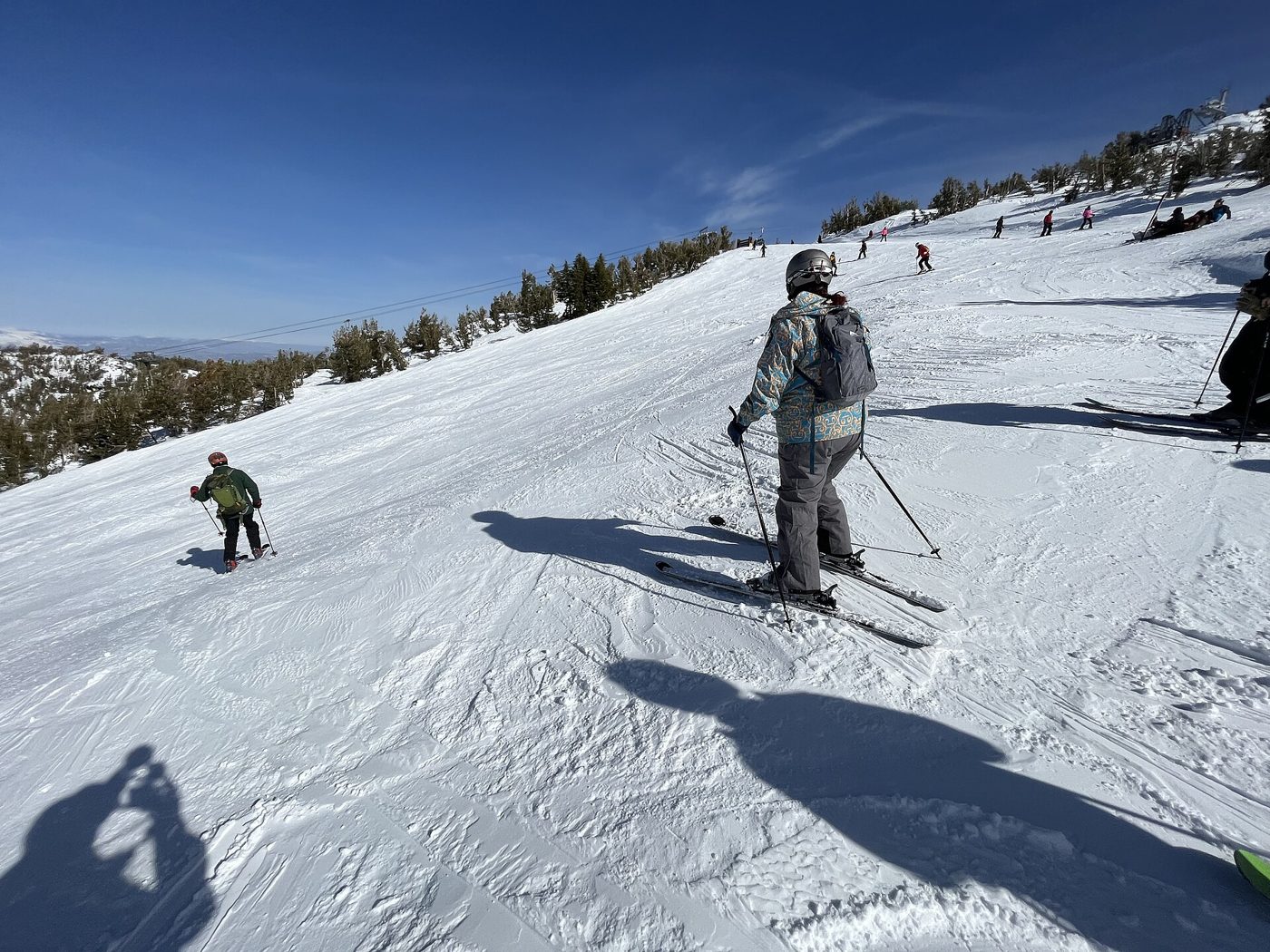
Snowboarding's first Olympics. Canadian rider Ross Rebagliati wins the first ever gold in men's giant slalom. Days later the IOC takes it away: he'd tested positive for THC. He said it was secondhand smoke from a party.
Then the twist. Marijuana wasn't actually on the banned list for his sport, and an appeals panel gave the medal back. Snowboarding's first Olympic gold medal was confiscated over weed and returned on a technicality. Couldn't have scripted a more snowboarding origin story.
Who it's for
WHICH DEGENERATE ARE YOU?THE MATCHMAKERThe First-Timer
ROCKER OR FLAT · SOFT · TWINYou'll catch fewer edges and fall less, so you'll actually come back for a second day. Rent a few before you buy.
The Park Rat
HYBRID ROCKER · SOFT–MED · TRUE TWINRails, boxes, butters, spins, switch landings. Soft enough to press, symmetric enough not to care which way you're facing.
The Speed Freak
FULL CAMBER · STIFF · DIRECTIONALThe metalhead of snowboarding: groomers at full volume. You want grip, stability at speed and a carve you can lean into.
The All-Mountain Degenerate
HYBRID CAMBER · MEDIUM · DIRECTIONAL TWINA bit of everything every day: groomers, trees, side hits, the park on the way down. One board, zero excuses.
The Powder Hound
ROCKER NOSE · SETBACK · TAPER OR SWALLOWTAILCalls in sick on storm days. You want the nose up and the tail sinking. Bonus points for a board shaped like a fish.
The Ice Coast Survivor
CAMBER · SERRATED EDGES · SHARP TUNEYour snow is hardpack, ice and boilerplate. You need edges that bite like they're angry about it. Get them sharpened.
The Bigfoot
WIDE BOARD · ANY PROFILEBoots around US size 11 and up? Get a wide board, or your toes and heels drag in the snow on every turn and pitch you over.
The Backcountry Hiker
SPLITBOARD · DIRECTIONAL · SETBACKThe board splits into two skis to climb, then clips back together to ride down. Go with someone who knows the mountain and carry avalanche gear.
Flex in one line: soft is playful, forgiving and slow-ish; stiff is stable, fast and demanding. Base in one line: extruded bases are cheap and easy to repair; sintered bases soak up wax and go faster, but need waxing to stay that way.
my board is rocker, soft, and covered in stickers. guess which part i care about. (it's the stickers.)
> tl;dr.exe
- Camber = bow. Pop, grip, precision. Punishes sloppiness.
- Rocker = banana. Float, butter, forgiveness. Mushy at speed.
- Hybrids put camber where you want grip and rocker where you want play.
- Twin for park and switch. Directional for going one way, fast or deep.
- Setback + taper + rockered nose = powder float.
- Sidecut makes it turn: tip it more and the turn gets tighter.
- Big boots? Get a wide board.
- Can't decide? Hybrid camber, medium flex, directional twin.


THE LEDGER
every hole in this manual, in one place. 10 doors. pick one. we're not responsible for where you end up.
OFFICIAL
- Alta alta.comstill skiers only. go look at what you can't ride
- Deer Valley deervalley.comthe other Utah holdout
- Mad River Glen madriverglen.comthe co-op's own policy page. read it and seethe
- Jake Burton Carpenter burton.comthe garage-in-Vermont story, from Burton
- Lib Tech lib-tech.comhandmade in Washington. still weird
- avalanche gear avalanche.orgcheck the forecast before you go. every time
RABBIT HOLES
- sued Alta snowboardmag.comSnowboard Mag on the four riders who took it to federal court
- Snurfer visitmuskegon.orgMuskegon still claims it. the original Snurfers are on display
- splits into two skis splitboard.comthe forum where splitboarders trade beta
READ
- Sherman Poppen skiinghistory.orgSkiing History on the godfather of snowboarding
Made it to the end? You're a minion now.
New manuals drop every 13th. Get them first, read every one free, or slap a sticker somewhere to show you've been here.
found this printed somewhere? read it, then leave it somewhere weirder. field manuals are supposed to travel.