In Cantonese the name is 雲吞: "swallowing clouds." In Mandarin it might be named after the chaos before the universe existed. One little dumpling, two thousand years, six bowls across Asia and America, and the noodle shops that still do it the hard way.
Drop a wonton into boiling broth and watch it. The filling sinks, then the whole thing rises and floats, and the thin wrapper trails out behind it like a little cloud. That's the name. In Cantonese it's 雲吞, wahn tan: swallowing clouds.
It's one of the smallest, cheapest things on any menu, and one of the oldest. Wonton soup is in Hong Kong noodle shops that have been run by the same families for generations, in Sichuan bowls drowned in chili oil, in Shanghai bowls the size of your fist, and in every American takeout menu between the egg rolls and the lo mein.
This is the menu: where the name comes from, the six bowls worth knowing, the shops that still knead noodles with a bamboo pole, and how to fold one yourself.
- 2,000 YEARS OF PAPERWORK
- 6 BOWLS ON THIS MENU
- 4 WONTONS IN A PROPER HONG KONG BOWL
Chaos in a bowl
餛飩THE NAMEIn Mandarin the word is 餛飩, húntun. It's usually traced to 混沌, hùndùn: the formless chaos of the world before creation. One explanation is that the lumpy, shapeless little dumplings looked like it.
The Cantonese 雲吞 sounds close to húntun but is written with completely different characters: cloud, swallow. It's a sound-alike that got a better story. English borrowed the Cantonese, so we say wonton.
Huntun show up in Chinese writing from the Han dynasty, about two thousand years ago. At Turpan, in the dry desert of Xinjiang, archaeologists have found dumplings from the 7th and 8th centuries, preserved by the desert in the tombs.
The wrapper is thin wheat dough rolled until you can almost read through it. The filling is dense and sinks. As it cooks, the dumpling rises and the loose wrapper floats out around it. A good wonton has a tail you can see through.
The menu: six bowls
ORDER BY NUMBERWonton noodles 雲吞麵
CANTONESE · HONG KONGShrimp-and-pork wontons, thin springy egg noodles, and a clear broth made from shrimp shells, pork bones and dried flounder. The benchmark.
Chaoshou 抄手
SICHUAN · CHENGDU"Crossed hands": the two corners of the wrapper are folded over each other. Served swimming in red chili oil. Long Chao Shou in Chengdu has been making them since the 1940s.
Big wontons 大餛飩
SHANGHAIFist-sized and loaded, often with shepherd's purse greens and pork. A meal, not a side.
Fried wonton 炸雲吞
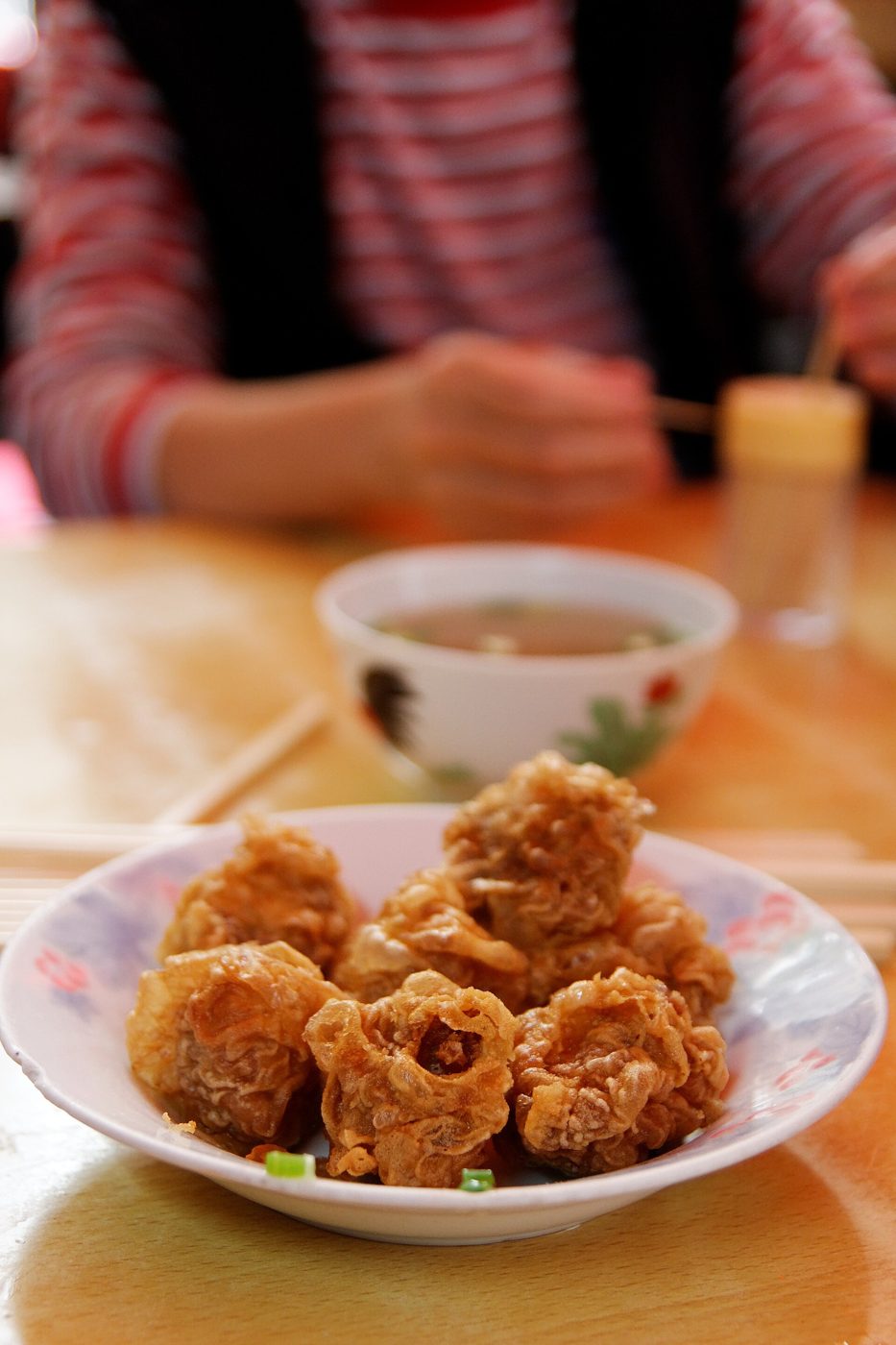
EVERYWHERESame dumpling, deep-fried until it shatters. Served with soup on the side or sweet-and-sour sauce.
Pancit molo
ILOILO, PHILIPPINESA wonton soup from the Molo district of Iloilo, a trace of the Chinese merchants who settled there. Called "pancit" but famous for its dumplings.
Takeout wonton soup
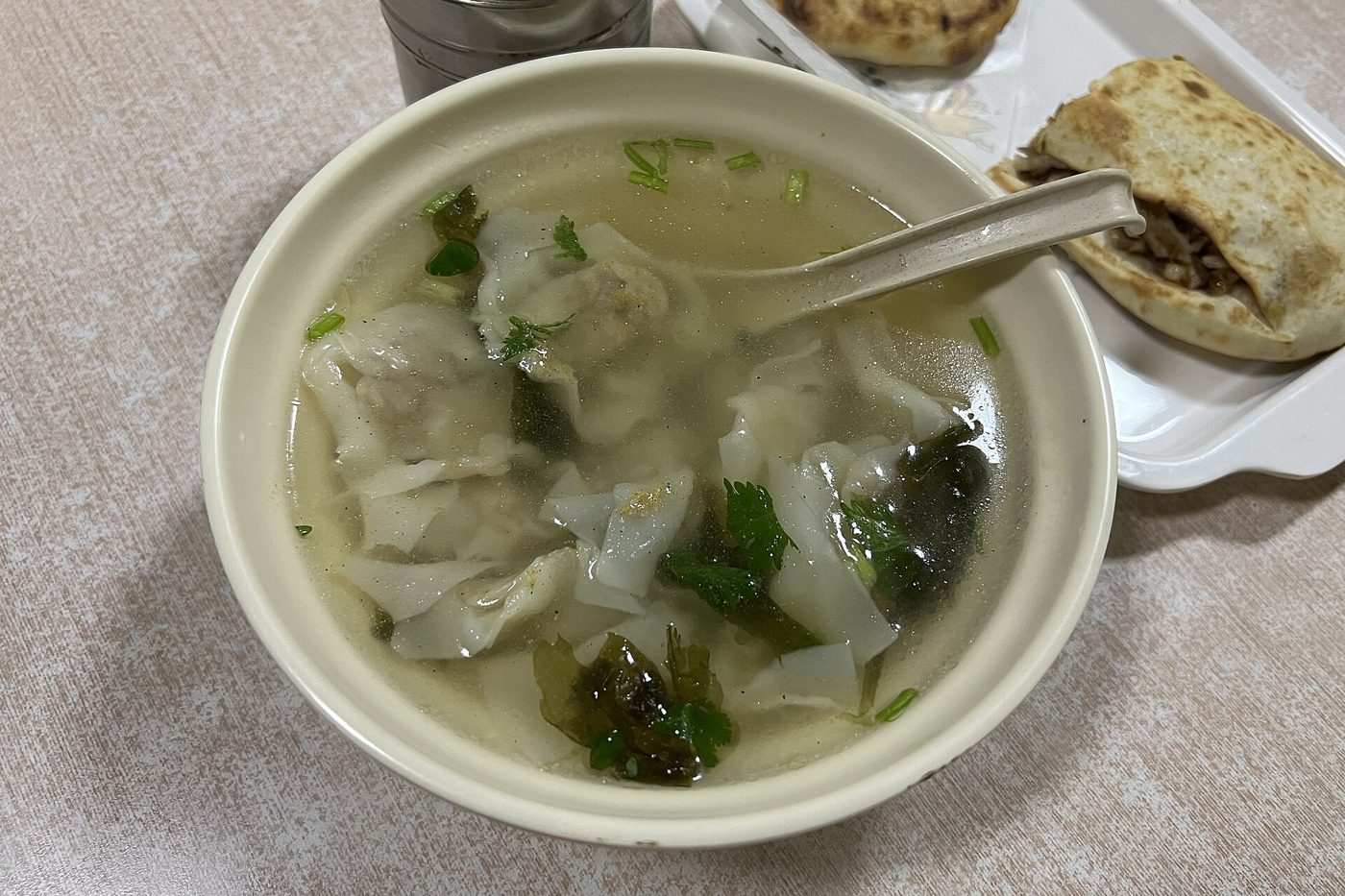
CHINESE-AMERICANA few soft dumplings, chicken broth, a scatter of scallions, a fortune cookie nearby. The cold-and-flu cure of a whole country.
The shops that do it the hard way
HONG KONG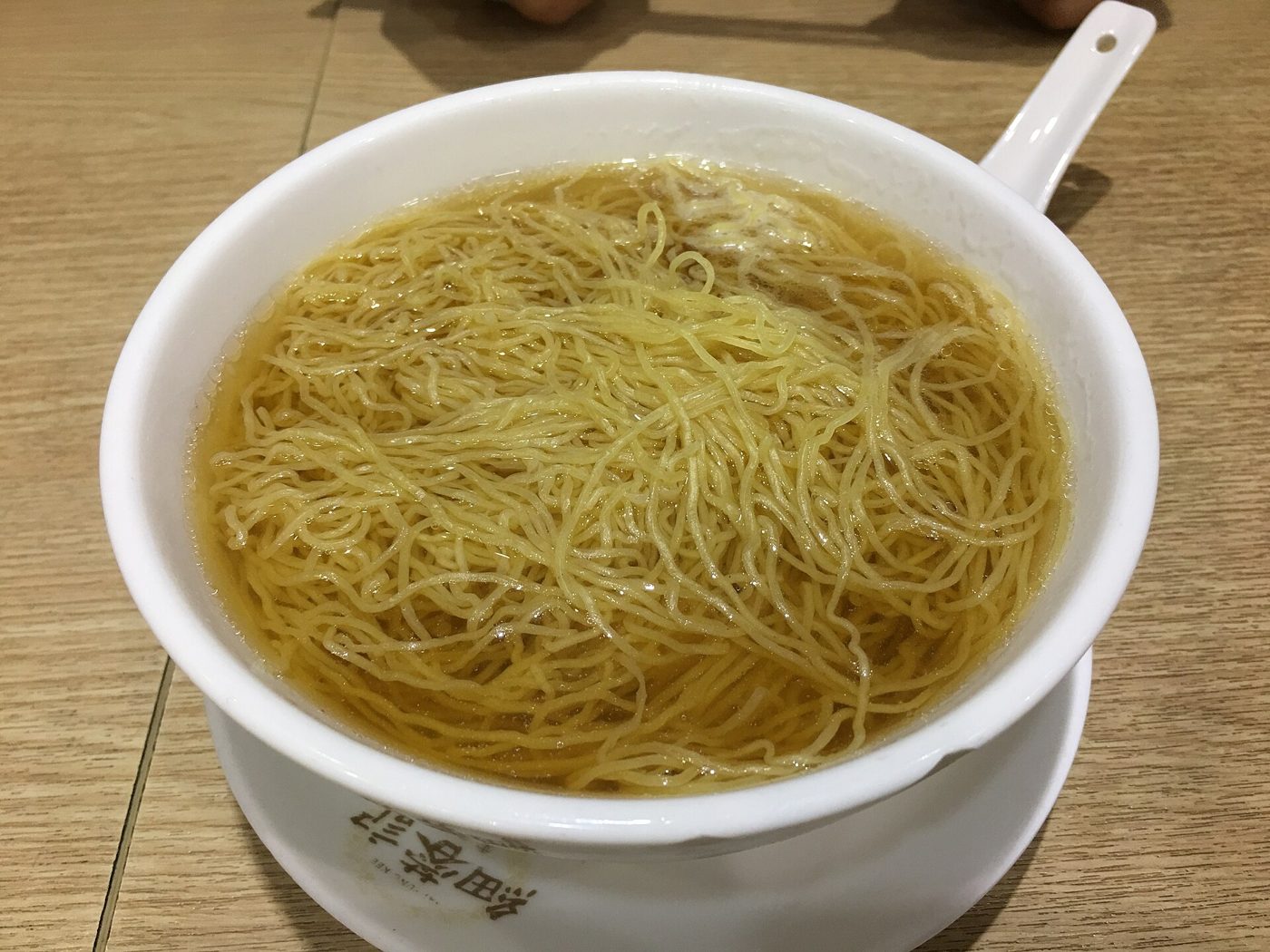
Mak Woon-chi ran a noodle shop in Guangzhou before WWII and is one of the people credited with popularising wonton noodles in Hong Kong. His family opened its first Hong Kong shop in 1968, and the Mak's wonton shops around the city were opened by his descendants.
A Mak's bowl is small on purpose: four wontons, each stuffed with a whole shrimp and a little minced pork. People complain it's tiny. People keep coming back.
Lau Sum Kee started as a roving street stall in Guangzhou in the 1940s. Its original Hong Kong shop is on Kweilin Street in Sham Shui Po, with a second on Fuk Wing Street.
They still make their noodles daily the old way: the dough is kneaded with a big bamboo pole, with someone sitting on one end and bouncing to press it. It's slow, it's physical, and almost nobody does it anymore.
yep, that's me, bouncing on the end of a bamboo pole in sham shui po. you're probably wondering how i got here. two words: "noodle cardio."
The bowl crosses an ocean
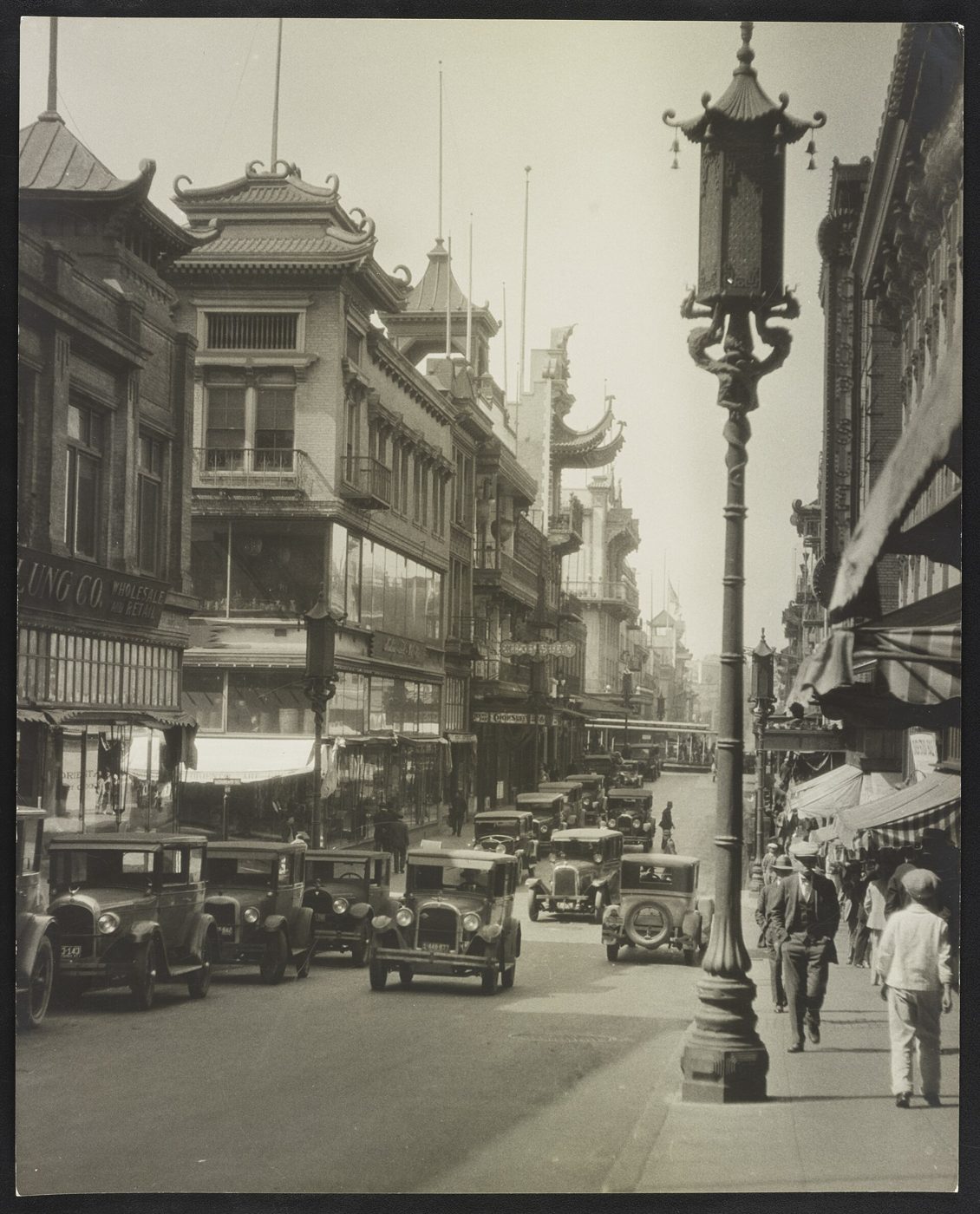
TO AMERICACantonese immigrants built America's first Chinatowns, so the Chinese food America learned first was Cantonese, and so was the word. Wonton soup became a fixture of Chinese-American menus: soft dumplings, chicken broth, a few greens.
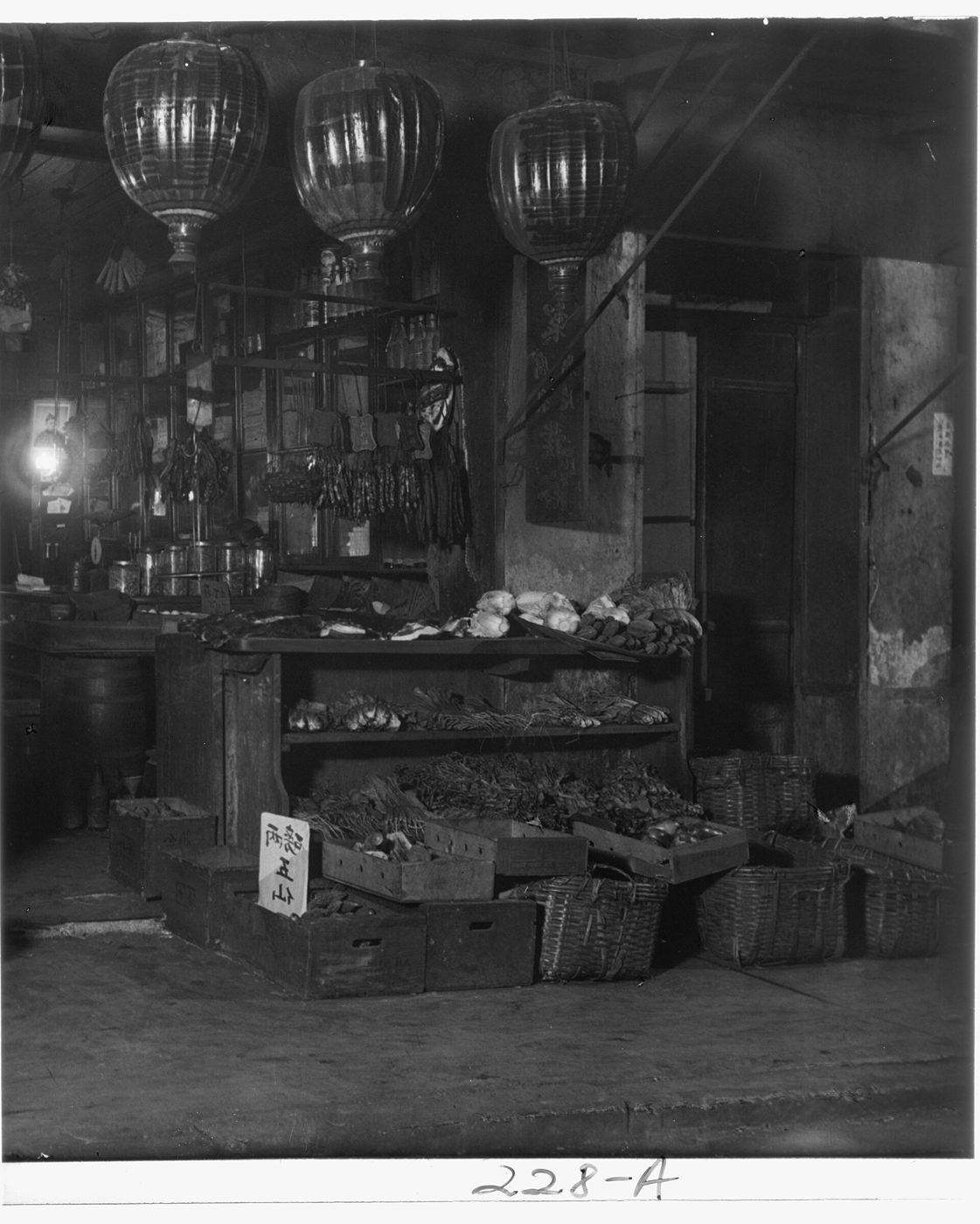
The takeout version gets clowned on, but it's a direct descendant of that clear Cantonese broth, adapted with whatever American kitchens had. It's comfort food in two languages.
Fold one yourself
4 STEPS1. Square wrapper. A small spoon of filling in the middle. Less than you think.
2. Wet two edges, fold into a triangle. Press out the air.
3. Bring the two bottom corners toward each other under the filling.
4. Overlap, dab of water, pinch. That's the classic shape. Crossed tight = chaoshou.
boil until they float + one more minute · don't crowd the pot · broth goes in the bowl first
tl;dr
- 雲吞 = "swallowing clouds." They float, the wrapper trails.
- 餛飩 may come from 混沌, the chaos before creation.
- About 2,000 years old on paper. Desert-dried ones found at Turpan.
- Cantonese: shrimp + pork, thin egg noodles, flounder in the broth.
- Sichuan chaoshou: "crossed hands," red chili oil.
- Mak's: four perfect wontons in a small bowl, on purpose.
- Lau Sum Kee: noodles kneaded with a bamboo pole.
- Fold: triangle, corners in, overlap, pinch. Boil till they float.


THE LEDGER
every hole in this manual, in one place. 7 doors. pick one. we're not responsible for where you end up.
OFFICIAL
- Lau Sum Kee guide.michelin.comthe bamboo-pole noodle shop, Fuk Wing Street branch
RABBIT HOLES
- húntun languagelog.ldc.upenn.eduLanguage Log on how wonton, udon and pansit travelled. linguists arguing about dumplings
READ
- Long Chao Shou cicili.tva Sichuan cook's chili-oil chaoshou, with the fold
- Pancit molo ifexconnect.comIloilo's most famous bowl, and the families behind it
- Mak Woon-chi amp.scmp.comSCMP's wonton noodle shortlist, with the Mak family history
- wonton noodles guide.michelin.comMichelin's own Hong Kong wonton noodle list. go eat
LOOK
- Arnold Genthe loc.govthe full Genthe collection at the Library of Congress
Made it to the end? You're a minion now.
New manuals drop every 13th. Get them first, read every one free, or slap a sticker somewhere to show you've been here.
found this printed somewhere? read it, then leave it somewhere weirder. field manuals are supposed to travel.