 D$B FIELD MANUAL · VOL. 12 · DOC GEN-0913
upgrades
available.
Cyberpunk writers in the 80s imagined a future of megacorps, defense tech and bodies you could buy upgrades for. Now there's a $30.5 billion defense company named after a sword from Lord of the Rings, startups selling embryo scores on the subway, and a new one designing gene-edited dogs for the military. Here's what's real, what's hype, and who's selling what.
In late 2025, people riding the New York subway walked past ads that said "Have your best baby." The ads were from a genetics startup selling embryo screening. One of them claimed height is 80 percent genetic. Others said "IQ is 50% genetic" and "Have a smarter baby."
Forty years ago that would have been a scene in a cyberpunk novel: a corporation selling upgrades for your kids on a train platform, under flickering lights. In the same years, a defense company named after Aragorn's sword was building autonomous drone jets.
This manual is a field guide to that overlap: where cyberpunk came from, what the sword company actually builds, what the "super baby" startups can and can't do, and the dogs. Every claim here comes from reporting or the companies' own words. Read it like a datasheet: specs first, sales pitch second.
High tech, low life
GENRE // 1980s
The word came first, as a sales pitch. Bruce Bethke says he coined "cyberpunk" in 1980 as the title of a short story, to sell it to an editor. It ran in Amazing Stories in November 1983. The editor Gardner Dozois picked the word up and used it for a whole new wave of writers.
The book that defined it was William Gibson's Neuromancer (1984). Gibson had already coined the word "cyberspace" in his 1982 story "Burning Chrome". Neuromancer became the first novel to win the science fiction "triple crown": the Hugo, the Nebula and the Philip K. Dick Award.
megacorps > governments
bodies = hardware
hackers = folk heroes
the city never sleeps, never cleans up
$
The look came from real places. Kowloon Walled City in Hong Kong was a single block of buildings that grew into a maze of towers, wires and alleys, packed with homes, clinics and factories. Designers of cyberpunk films and games have been redrawing it ever since it was demolished.
The company named after a sword
ANDURIL // 2017–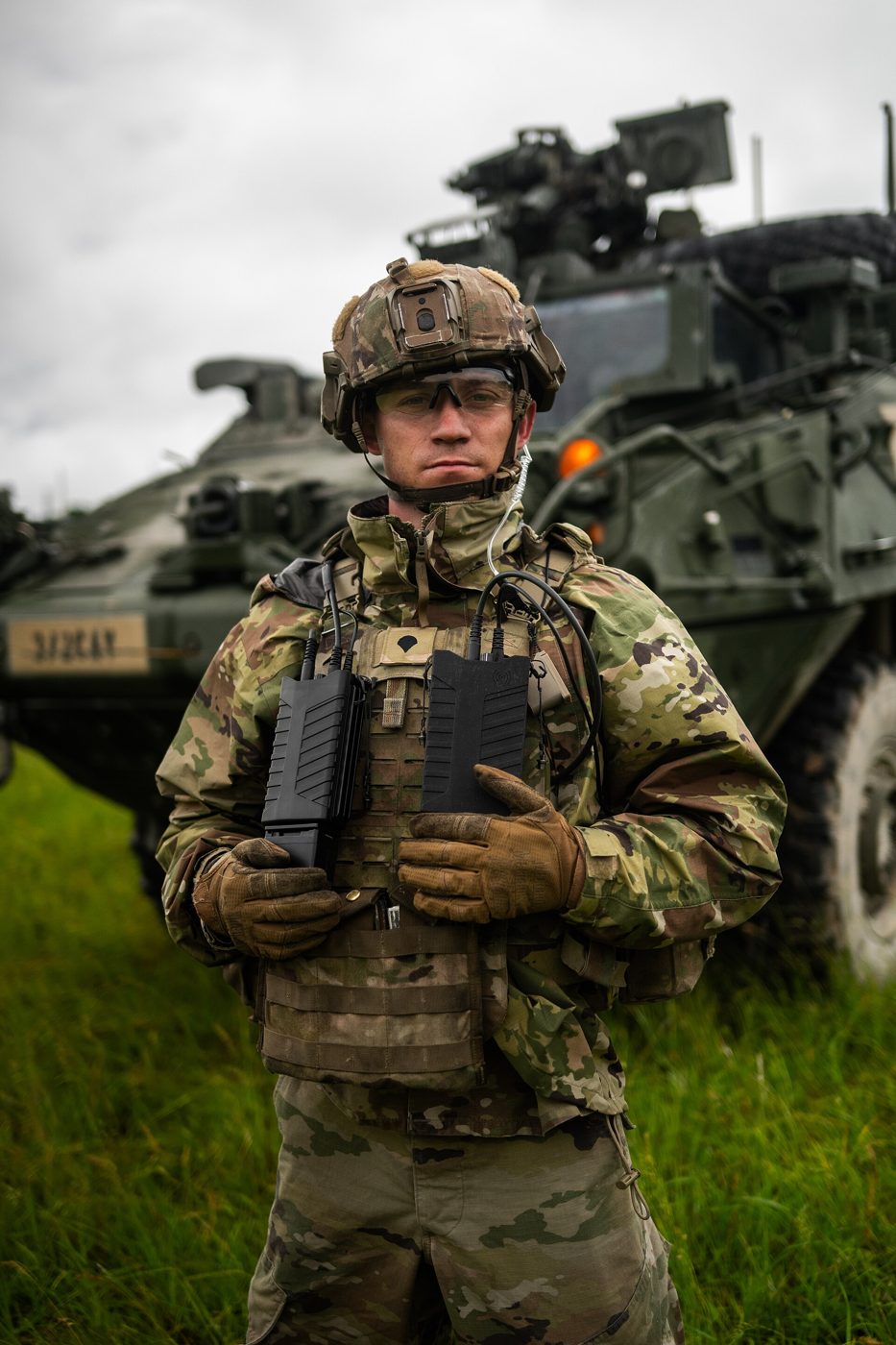
Anduril Industries is a defense technology company in Costa Mesa, California, co-founded in 2017 by Palmer Luckey, who earlier founded the VR headset company Oculus. The name is Andúril, the sword Aragorn carries in The Lord of the Rings. In Tolkien's Elvish it means "Flame of the West."
What it actually makes, by its own description and the reporting:
- Lattice, its software, which pulls feeds from many sensors into one live 3D picture and runs across its hardware.
- Fury, an uncrewed fighter-style jet built for the US Air Force's "collaborative combat aircraft" program. The Air Force named it YFQ-44A, and it first flew on October 31, 2025.
- Anvil, an interceptor built to knock enemy drones out of the sky.
- Arsenal-1, a giant factory in Pickaway County, Ohio, announced in January 2025 as a roughly $1 billion investment.
In June 2025 it raised $2.5 billion at a $30.5 billion valuation. The company says its mission is to give the US and its allies better defense technology, faster.
Editing the source code
CRISPR // 2012–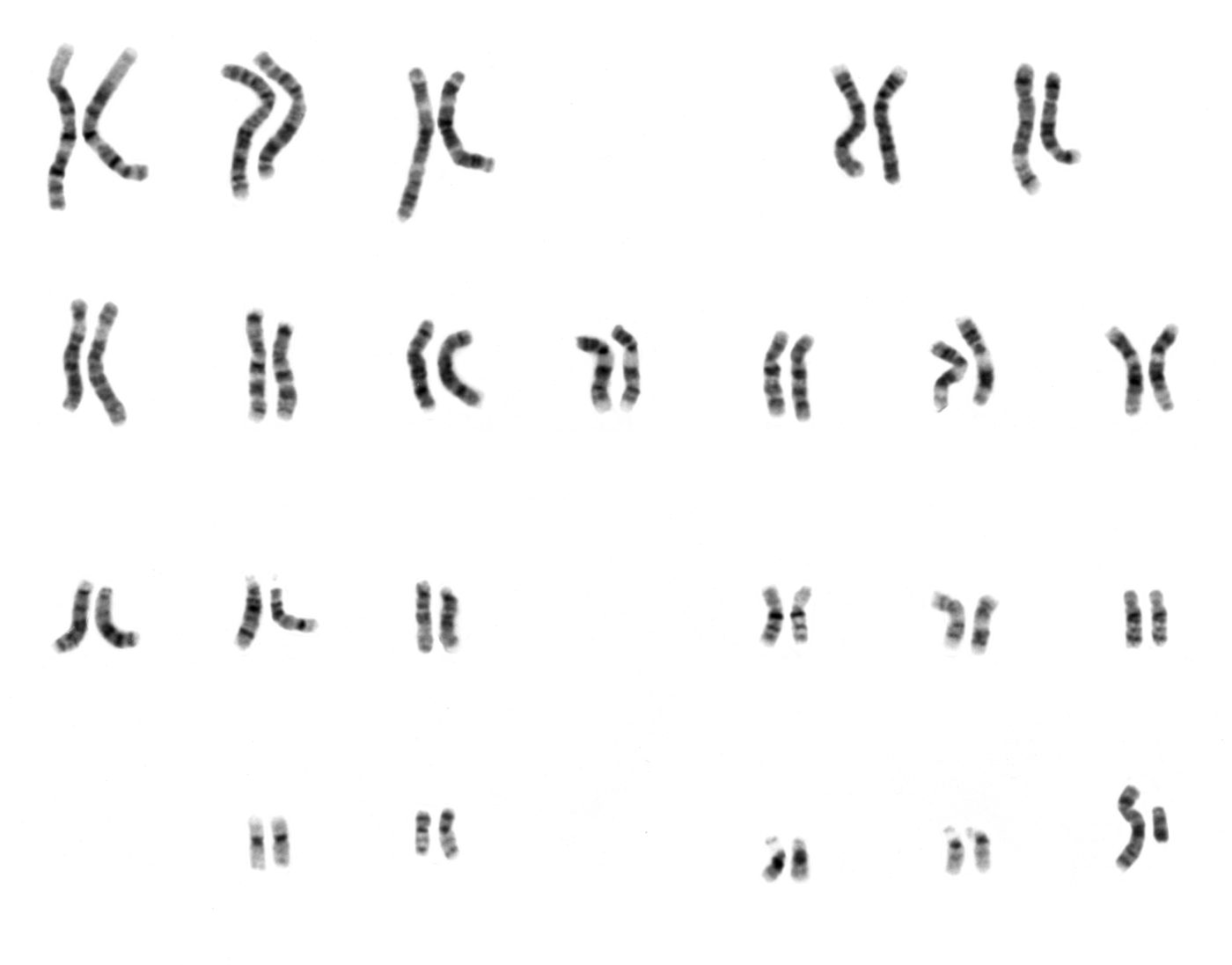
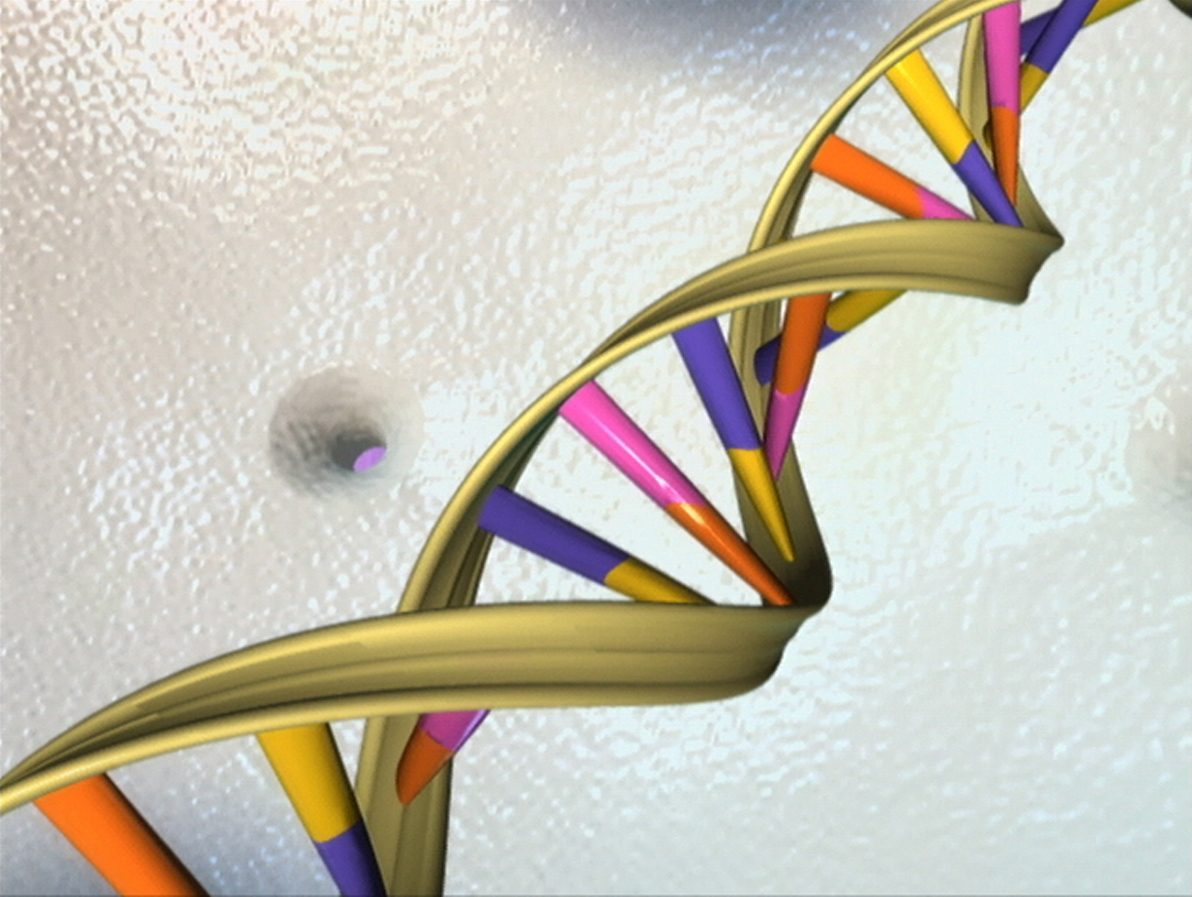
CRISPR is a gene-editing tool adapted from the way bacteria fight off viruses. It can cut DNA at a chosen spot. Jennifer Doudna and Emmanuelle Charpentier won the 2020 Nobel Prize in Chemistry for turning it into a tool anyone with a lab could use.
There are two very different ways to use it on people:
- Somatic editing changes cells in one patient's body, like their blood. The changes aren't passed on to their kids. Approved CRISPR treatments already exist.
- Germline editing changes an embryo, egg or sperm. Every cell of the future person carries the change, and so do their children. That's the "super baby" idea, and it's the line most of the world won't cross.
In the US, Congress has blocked the FDA from even reviewing applications for clinical trials that edit embryos meant to become pregnancies, through a rider renewed in its budget since 2015. Many other countries ban it outright.
In November 2018 a Chinese researcher named He Jiankui announced that twin girls, given the pseudonyms Lulu and Nana, had been born from embryos he had edited with CRISPR. He targeted a gene called CCR5, trying to make them resistant to HIV.
Scientists around the world condemned it. The edits weren't clean, the medical need wasn't there, and the families weren't properly informed. A Chinese court sentenced him to three years in prison. He was released in 2022 and has been trying to make a comeback ever since.
The twins are real children living private lives. They're the reason almost every lab says germline editing isn't ready, and the reason the startups below say they aren't implanting anything yet.
yep, that's me, reading a gene-editing paper at 3am with a highlighter and no qualifications. you're probably wondering how i got here. two words: "recommended for you."
The super-baby menu, ranked
OPTIONS // WHAT'S REALHere's what's actually on offer, ranked from most established to most science fiction. Scored from ■□□□□ to ■■■■■.
Screening for one disease // PGT-M
During IVF, a few cells are tested from each embryo to check for a specific, known disease in the family, like cystic fibrosis. It's been part of fertility medicine for decades. Not science fiction at all.
Polygenic screening // "have your best baby"
Companies like Nucleus Genomics, Orchid and Herasight give each embryo risk scores for many conditions, and some go further, with predictions for traits like height or IQ. Herasight's service has been reported to cost up to $50,000. The American College of Medical Genetics and Genomics says polygenic embryo screening has no proven clinical benefit yet, and the scores only shift odds by small amounts.
Editing the embryo // germline
In November 2025 the Wall Street Journal reported on Preventive, a San Francisco startup backed by Sam Altman and Brian Armstrong, researching embryo editing to prevent hereditary disease. Its CEO, Lucas Harrington, has said it isn't implanting edited embryos or working with couples to do so. It has reportedly looked at countries such as the United Arab Emirates.
"Pick the traits" // the cyberpunk version
Choose your kid's height, IQ and eye colour like trim levels on a car. Today nobody can do this. Most traits are shaped by thousands of genes plus the world a kid grows up in. In New York, the transit authority reportedly refused one startup's "Have a boy" and "Have a girl" ads.
The upgraded good boy
WARHOUND // OCT 2026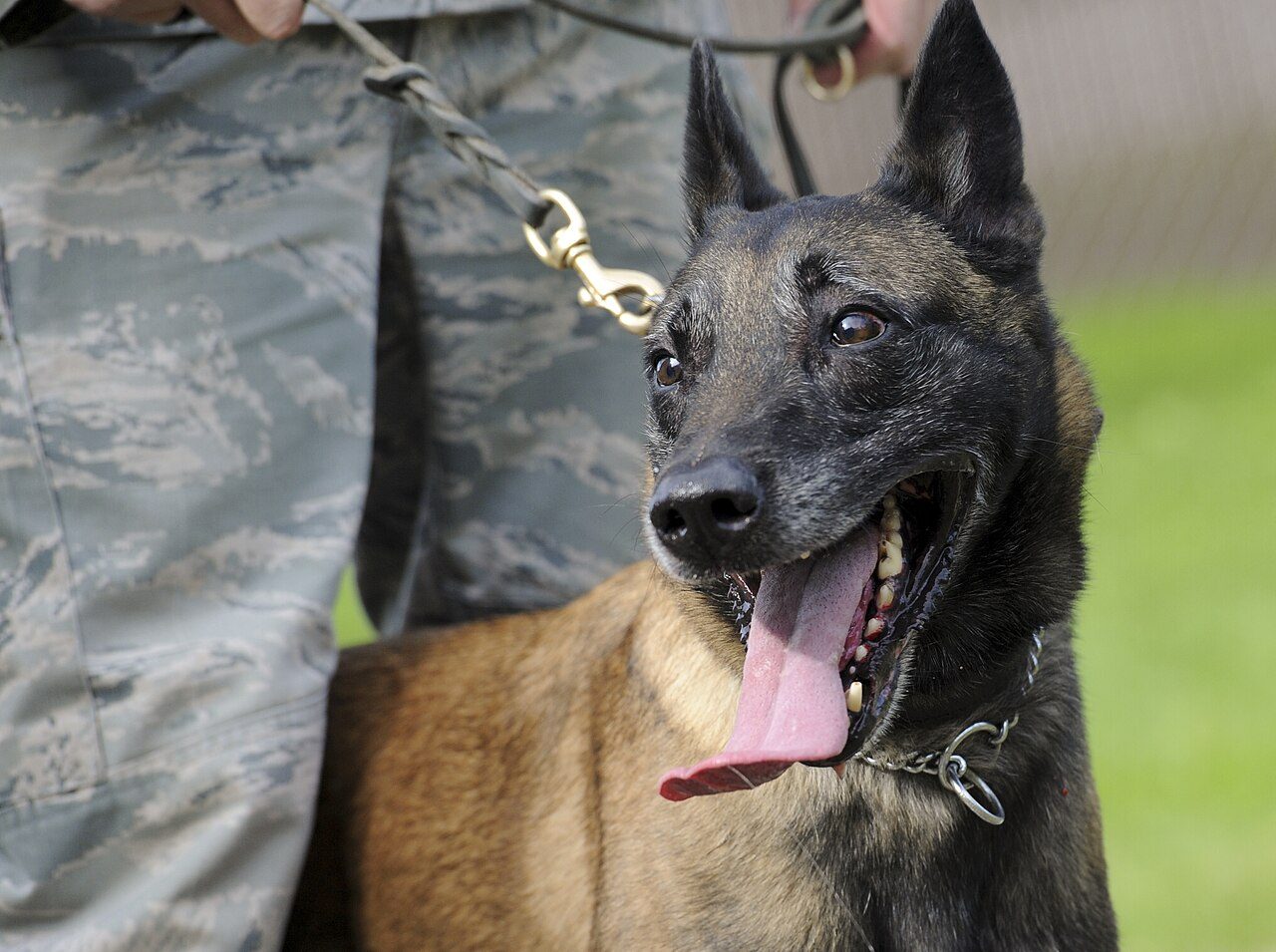
Cyberpunk always had the augmented animal: the cyber-dog, the engineered guard beast. In October 2026 one got a pitch deck. A startup called Warhound came out of stealth with $200 million at a reported $1.2 billion valuation, to build gene-edited, cloned working dogs for the military, police and first responders. The dogs don't exist yet.
The idea came out of conversations between Ben Lamm, CEO of Colossal Biosciences, the "dire wolf" company, and Palmer Luckey of Anduril, according to Defense News. Its chief executive is David Spirk, who previously held a senior role at Palantir. Reported investors include Sequoia, 8VC and In-Q-Tel, the venture firm backed by the CIA and other US intelligence agencies.
The plan, as the company describes it:
- Biobank cells from top-performing Belgian Malinois and German Shepherds.
- Clone them through Viagen, a Colossal-owned cloning company, and edit the embryos.
- Health first: the team points to inherited problems in working dogs, like hip dysplasia, poor eyesight and cancer risk. Lamm also floated speed, agility and a better nose for bombs.
- Timeline: first puppies expected in early 2027, working dogs in about two years.
So where's Anduril? Not in the DNA. Lamm told TechCrunch Anduril would supply gear like vests, goggles and software for situational awareness: "on top of the dog, not in the dog." He also said Luckey is a partner in the venture but owns no equity in it. Colossal owns equity in Warhound and licenses it the technology.
The pitch starts with a real problem. By Warhound's estimate, about 80% of US military working dogs are sourced overseas, mostly from Europe, and more than half of the dogs bought turn out unfit for service. Lamm called the overseas breeding programs "a little bit puppy millish." Warhound says it is working with the animal-welfare group American Humane on training certification.
Not everyone is sold. Harvard veterinarian and bioethicist Lisa Moses told Scientific American that cloning is inefficient: "It requires a lot of dogs to have invasive things done to them and to be killed in order to produce one cloned puppy." Geneticist Ben Novak of Revive & Restore pointed out that some traits can depend on hundreds or thousands of genetic changes. PETA called the plan "outdated and out of touch," arguing agencies are moving toward robotics and other technology that doesn't put dogs in harm's way. And Colossal's 2025 "dire wolves" are gray wolves cloned and edited to resemble the extinct species, which critics say is not the same as bringing it back.
The decoder
ELEVEN TERMS // ONE LINE EACH| TERM | WHAT IT MEANS |
|---|---|
| CRISPR | A tool that cuts DNA at a chosen spot, borrowed from bacteria. |
| Somatic | Edits one person's body cells. Not passed to their kids. |
| Germline | Edits an embryo, egg or sperm. Passed down forever. |
| IVF | Making embryos in a lab, then transferring one to start a pregnancy. |
| PGT-M | Testing IVF embryos for one known family disease. |
| Polygenic score | A statistical guess built from thousands of small genetic signals. |
| CCR5 | The gene He Jiankui edited in the twins, linked to HIV entry. |
| Lattice | Anduril's software that fuses sensor feeds into one live picture. |
| CCA | "Collaborative combat aircraft": uncrewed jets that fly with piloted ones. |
| Cyberspace | Gibson's 1982 word for the online world, before it existed. |
| Cloning | Making a genetic copy of an animal from one of its cells. |
Who should read what next
PICK YOUR PATHThe Genre Head
READ: NEUROMANCERStart where it started. Then read Bethke's story for the name, and Gibson's "Burning Chrome" for the word cyberspace.
The Worried Parent-to-Be
ASK: A GENETIC COUNSELORNot an ad. A genetic counselor can tell you what testing does and doesn't predict for your family.
The Skeptic
READ: THE CRITICSMIT Technology Review on the subway ads, and the medical genetics societies' statements on polygenic scores.
The Defense Nerd
READ: THE PROGRAMSFollow the Air Force's CCA program and the Fury test flights. Specs, not vibes.
The Dog Person
READ: BOTH SIDESTechCrunch's launch story for the pitch, then Scientific American's skeptics. Check back in 2027 for actual puppies.
> tl;dr
- "Cyberpunk" was coined by Bruce Bethke, in print in 1983. Gibson's Neuromancer (1984) made it a genre.
- Anduril is named after Aragorn's sword. It builds drone jets, interceptors and the Lattice software.
- Somatic editing treats one person. Germline editing changes every future generation.
- He Jiankui edited the twins in 2018 and went to prison for it.
- Polygenic embryo scores are sold now. Doctors' groups say there's no proven benefit yet.
- Embryo-editing startups exist, and say they aren't implanting anything yet.
- Nobody can order traits. The menu is mostly marketing.
- Warhound wants gene-edited, cloned military dogs from 2027. Anduril makes the gear, not the genes.


THE LEDGER
every hole in this manual, in one place. 14 doors. pick one. we're not responsible for where you end up.
OFFICIAL
- William Gibson williamgibsonbooks.comGibson's own site
- Anduril Industries anduril.comthe company, in its own words
- Lattice anduril.comAnduril's page for the software
- Jennifer Doudna nobelprize.orgthe 2020 Nobel announcement for CRISPR
- Warhound warhound.comthe startup's own site and pitch
- Colossal Biosciences colossal.comLamm's de-extinction company, which licenses the science
- PETA peta.orgPETA's statement against it, in full
RABBIT HOLES
- Bruce Bethke neonvagabond.xyzBethke's own story of how he coined the word
READ
- New York subway technologyreview.comMIT Technology Review on the 'best baby' ads
- Amazing Stories sf-encyclopedia.comthe SF Encyclopedia's deep entry on the movement
- on top of the dog, not in the dog techcrunch.comTechCrunch's launch story, with Lamm on Anduril's role
- Lisa Moses scientificamerican.comScientific American asks the scientists if it can work
- puppy millish defensenews.comDefense News on the supply problem and the plan
LISTEN
- Preventive kqed.orgKQED Forum: the Bay Area embryo-editing startups, debated
Made it to the end? You're a minion now.
New manuals drop every 13th. Get them first, read every one free, or slap a sticker somewhere to show you've been here.
found this printed somewhere? read it, then leave it somewhere weirder. field manuals are supposed to travel.