Monterey Jack is one of the few cheeses America can call its own. The name on it belongs to a Scottish land baron. The cheese itself goes back to Franciscan friars, a mother of fifteen with a homemade press, and a dairyman nobody remembers. Plus: why Dry Jack exists because of World War I.
Every grocery store in America has a block of Monterey Jack in it. Mild, white, melts like it was born for it. Almost nobody asks the obvious question: who is Jack? The answer is a man who probably never made a wheel of it in his life.
The cheese is older than the name, and the name is older than the argument. Monterey's own archivist calls the origin "like any mystery." What's not a mystery is the order things happened in: friars brought the recipe, a California family made it famous at their door, and a businessman stamped his name on the crates.
This manual sorts out who made it and who named it, then walks the whole jack family, young to bone-dry, and puts you on to the people still making it right.
Manuel Boronda arrives in California with Serra and Portolá.
José Manuel Boronda gets Los Laureles, Carmel Valley.
David Jacks ships cheese stamped "Monterey" to San Francisco.
Pedrazzi's "jack cheese," Carmel Valley.
A forgotten pile of wheels becomes Dry Jack.
Tom Vella starts his creamery in Sonoma.
Country cheese
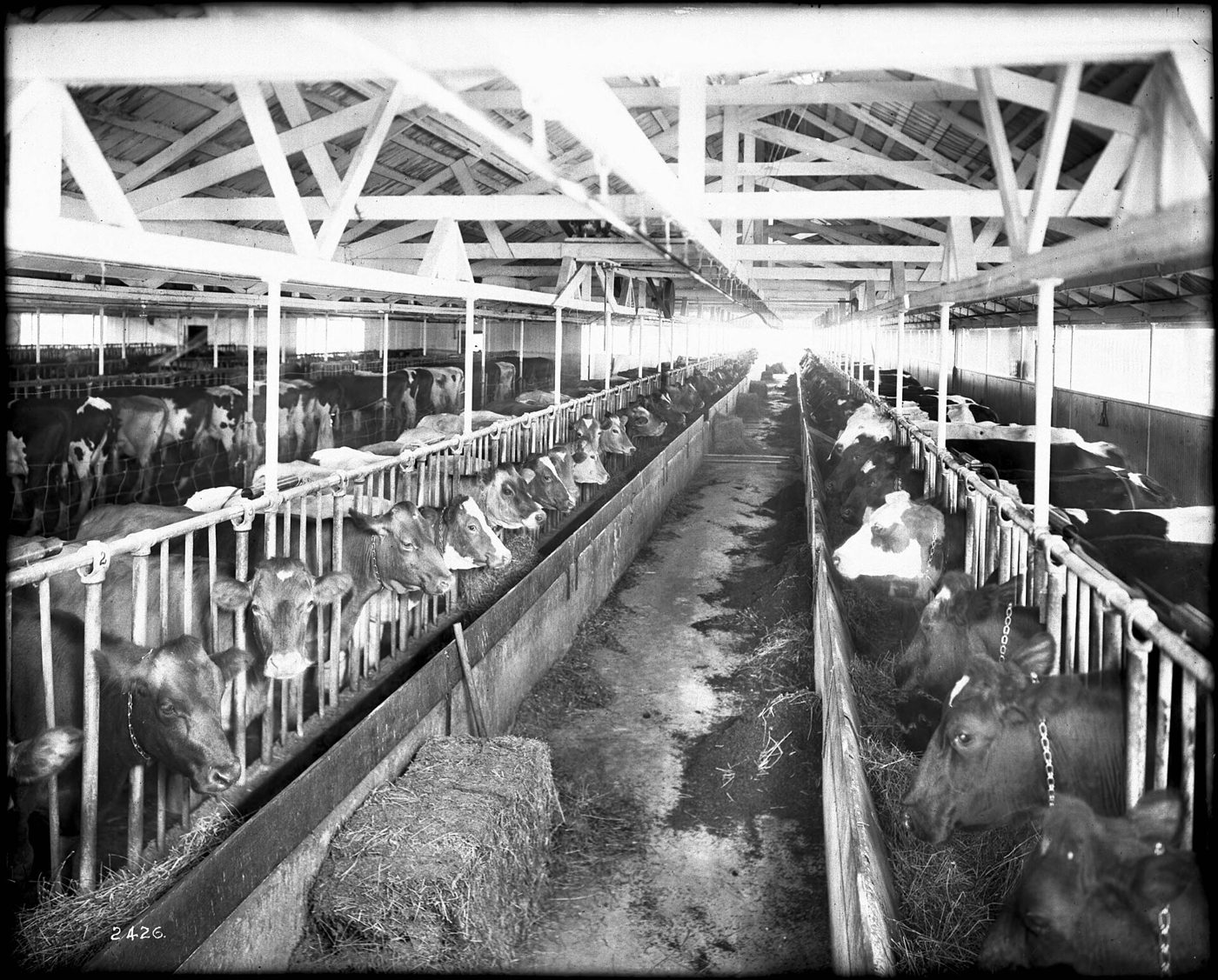
QUESO DEL PAÍS // 1700sIn the 18th century, Spanish Franciscans came up from Mexico and built a chain of missions along the California coast. They brought cattle, and with the cattle came a fresh, white, mild cheese they called queso del país: "country cheese." No fancy aging, just milk, rennet, salt and pressure.
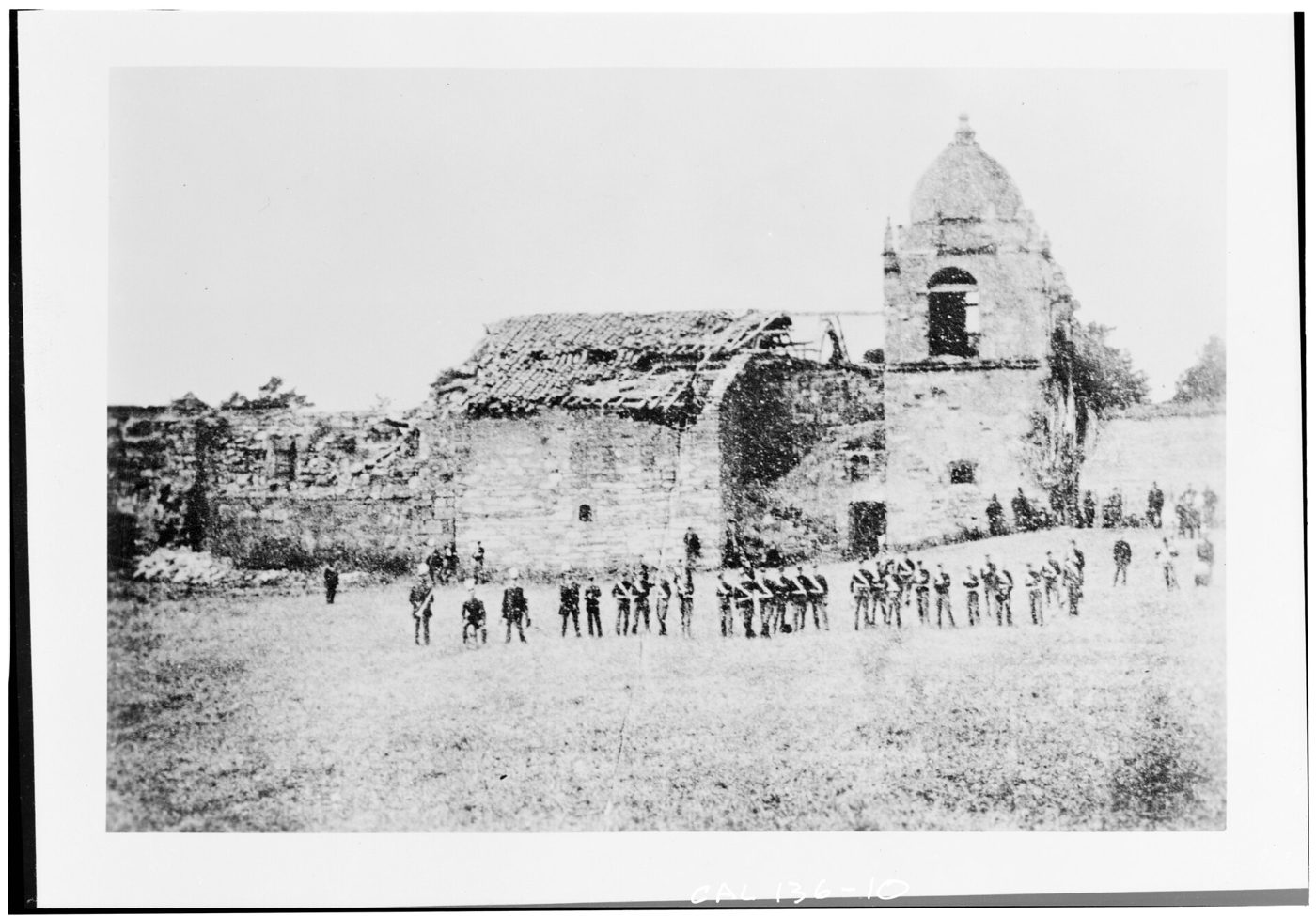
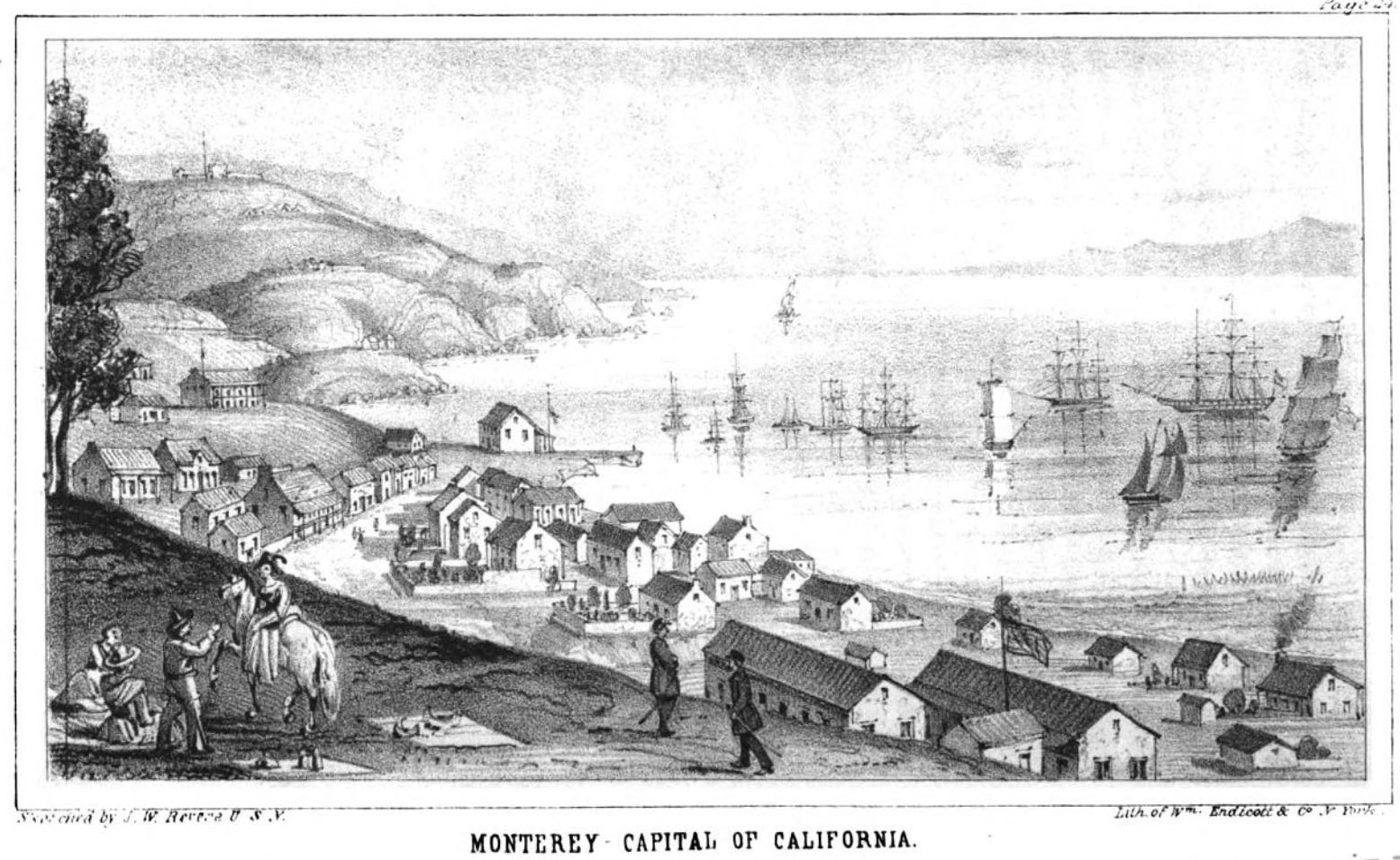
Monterey was the capital of Spanish, then Mexican, California. Ranch families around it made this cheese at home for generations. It was food, not a product. Nobody needed a brand on something your grandmother pressed in the kitchen.
Who made it, who named it
THE ARGUMENTDoña Juana Cota de Boronda
Her husband's family came to California in 1769 with Fr. Junípero Serra. In 1840 her husband, José Manuel Boronda, got the Los Laureles land in Carmel Valley. Family accounts say he was hurt in a bullfight and lost a leg. They had fifteen children.
So Doña Juana made cheese. She pressed the curds with a jack, a screw press, and sold the cheese door to door. Old newspaper stories say she made a name for herself and her cheese.
David Jacks
A Scottish businessman who became one of the richest landowners in Monterey County, with around 60,000 acres and 14 dairy ranches. How he ended up holding so much of Monterey's land is still a sore subject locally.
Around 1882 he started shipping cheese to San Francisco and other western markets, branded with his name and "Monterey." Buyers dropped the "s." "Monterey Jack" stuck.
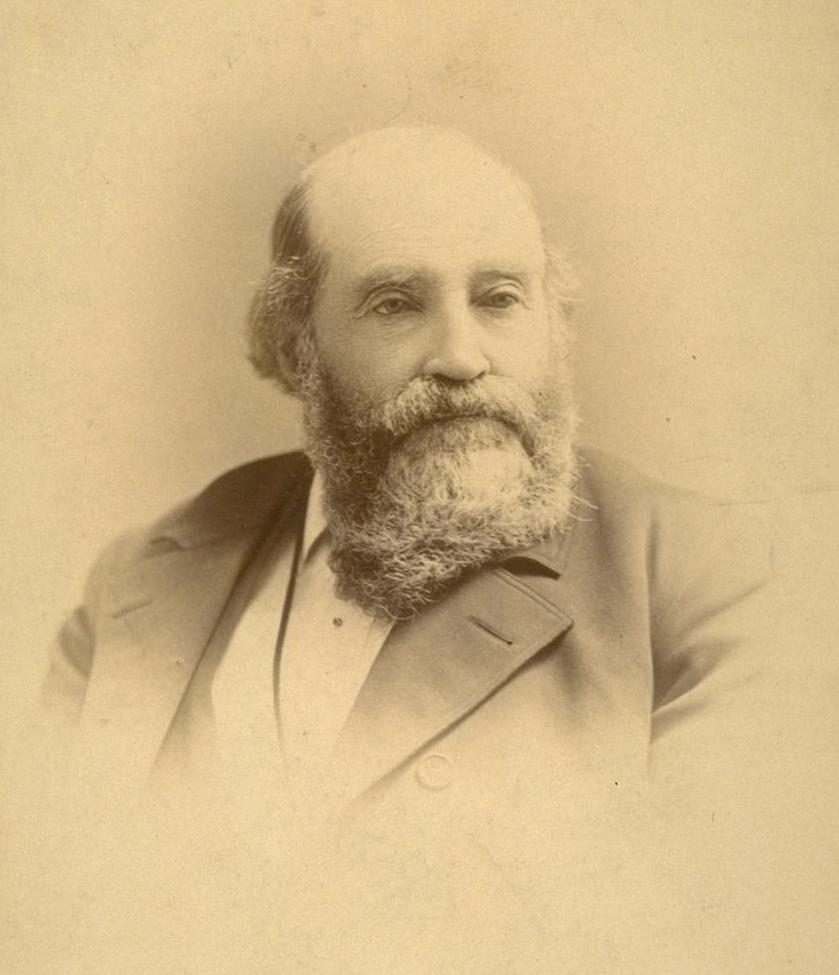
A Monterey pioneer named Samuel Morse wrote in a 1948 letter that "None of the Jacks family had anything to do with" the cheese. His candidate: Domingo Pedrazzi, a Swiss-Italian dairyman in Carmel Valley who in the early 1890s made a pressed cheese locals called "Pedrazzi's jack cheese."
So "jack" might be the press, the man, or the land baron. Every version has a fan in Monterey.
The city's museum coordinator, Jim Conway, puts it plainly: pretty much everybody knows the cheese "was around before David Jacks." The archivist favors Doña Juana, with Jacks doing the marketing.
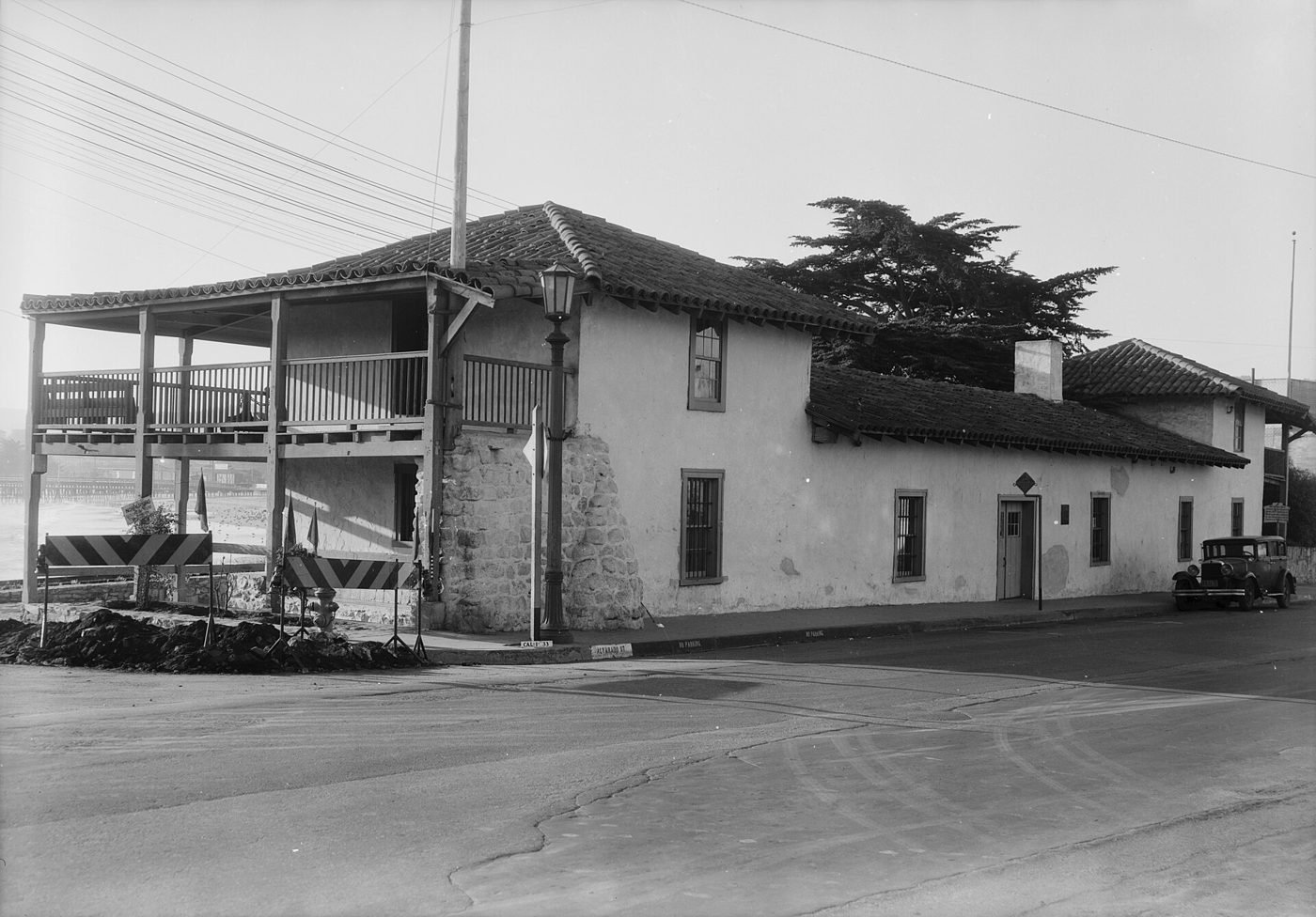
yep, that's me, stamped on the side of a crate on its way to san francisco. you're probably wondering how i got here. two words: "branding opportunity."
The jack ladder
YOUNG → BONE DRYSame family, very different cheeses. Scored from ■□□□□ to ■■■■■.
Young Jackthe grocery block · weeks old
Soft, buttery and mild, with a high moisture content, so it melts smooth with no grease slick. The default.
Pepper Jackyoung jack + hot peppers
Young jack with chiles stirred through it. Taste magazine credits Sonoma's Vella Cheese with the first one, in 1980.
Colby-Jackthe marbled one
Orange Colby and white jack pressed together into one block. It's a lunchbox cheese and it has no regrets.
Aged Jackmonths, natural rind
Firmer, nuttier and more grown-up. Farmstead makers age it with a natural rind. Snack it with fruit.
Dry Jackaged hard · rubbed with oil, pepper, cocoa
Hard, sweet, nutty and gratable, California's answer to Parmesan. It exists because of a pile of forgotten wheels (see the case file).
Queso del paísthe ancestor
The fresh, mild mission cheese it all came from. Its cousins are still all over Mexico and the American Southwest as fresh white cheeses.
The forgotten wheels
DRY JACK // c.1915San Francisco, around 1915. A cheese wholesaler named D. F. DeBernardi had more wheels of fresh jack than he could sell, so they sat in storage, forgotten.
Then World War I cut off shipments of Parmesan and Romano from Italy. When he went back to the old jack, it had dried out into something hard, sweet and nutty that you could grate over pasta. California's Italian families had their grating cheese back.
DeBernardi coated his wheels in oil, pepper and lamp black, soot from oil lamps, to keep them from cracking.
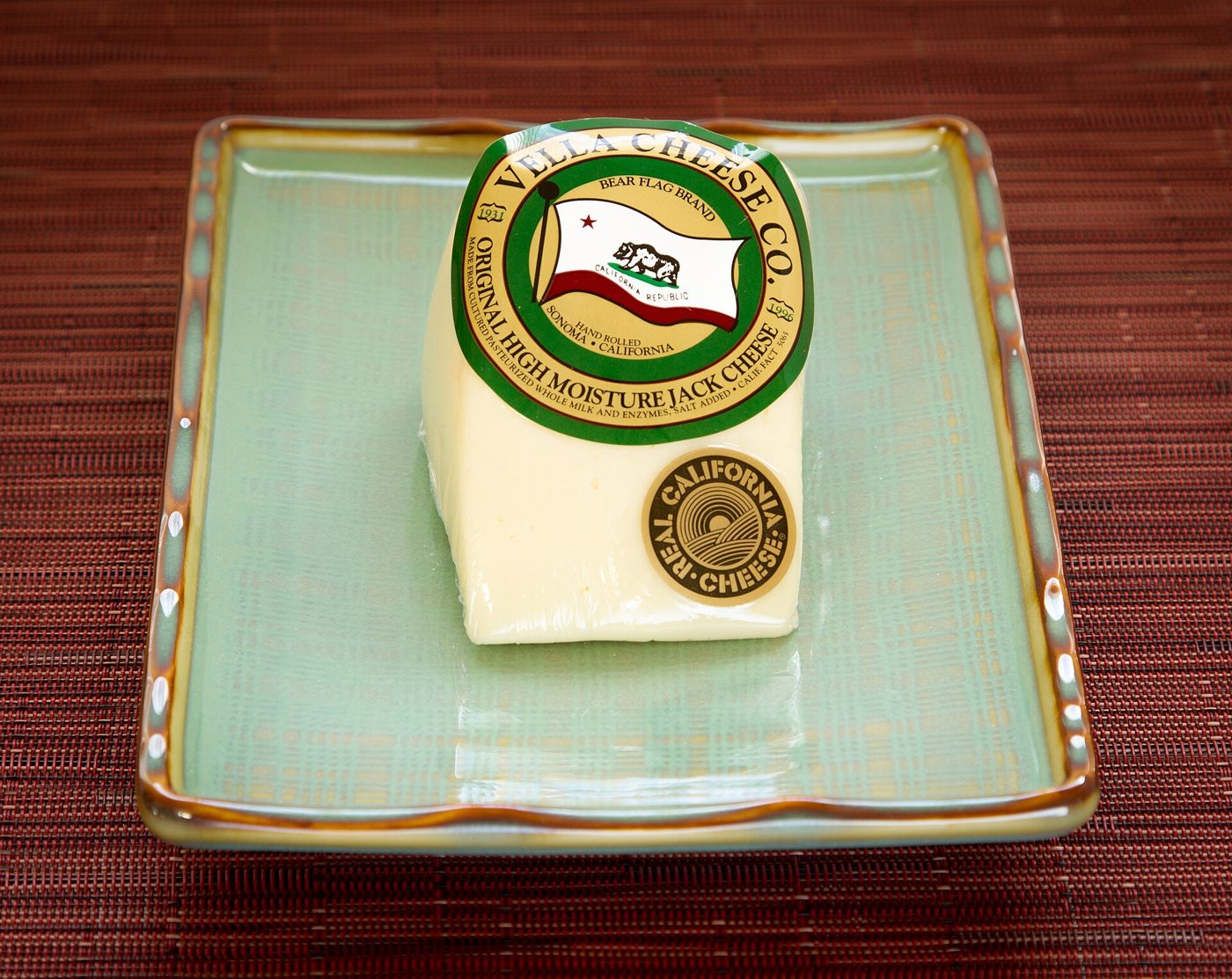
In 1931 Tom Vella started his own creamery in Sonoma and made his own Dry Jack. The Vella version swaps the soot for a rub of oil, black pepper and unsweetened cocoa. The cocoa and pepper keep the oil on the surface instead of letting it soak into the cheese. Vella Cheese still works out of a 1904 stone brewery building in Sonoma.
Who's still making it right
PUT THEM ONVella Cheese
SONOMA, CA · SINCE 1931The Dry Jack people. A family creamery, three generations in, still rubbing wheels with cocoa and pepper. Get the Special Select.
Schoch Family Farmstead
SALINAS, MONTEREY COUNTYA Swiss-rooted family farm making raw-milk Monterey Farmstead Jack with a natural rind, in the county the cheese is named for.
Hook's Cheese
MINERAL POINT, WISCONSINTony Hook's shop makes a high-moisture Monterey Jack and Galway Bay, a goat's-milk cheese in the Dry Jack style. Proof the family travelled.
tl;dr
- Monterey Jack is American-born, from Spanish colonial California.
- Friars brought queso del país, a fresh "country cheese," to the missions.
- Doña Juana Cota de Boronda made and sold it door to door, pressed with a jack.
- David Jacks marketed it around 1882. His name went on the crates.
- "Jack" might be the press, the man or the dairyman. Monterey still argues.
- Dry Jack came from forgotten wheels and a WWI Parmesan shortage.
- Vella rubs it in oil, pepper and cocoa. Grate it.
- Young jack melts best. Dry jack grates best. Pepper jack does both, loudly.


THE LEDGER
every hole in this manual, in one place. 9 doors. pick one. we're not responsible for where you end up.
OFFICIAL
- San Carlos Borromeo carmelmission.orgthe Carmel mission. still standing, still open
- CUSTOM HOUSE parks.ca.govMonterey State Historic Park: walk the old capital
- Vella Cheese vellacheese.comthe Sonoma creamery's own history, since 1931
- Hook's Cheese hookscheese.comMineral Point, Wisconsin. the jack family travels
RABBIT HOLES
- Monterey's own archivist montereycountynow.comMonterey County Weekly digs into the origin fight. nobody wins
- David Jacks illyannamaisonet.substack.comIllyanna Maisonet does not go easy on the land grabber
- Schoch Family Farmstead montereycountynow.comthe only local creamery still making Monterey Jack in Monterey County
READ
- Doña Juana Cota de Boronda cheeseprofessor.comthe Cheese Professor on the woman behind the cheese
- Dry Jack localharvest.orgDry Monterey Jack is on Slow Food's Ark of Taste. endangered flavor
Made it to the end? You're a minion now.
New manuals drop every 13th. Get them first, read every one free, or slap a sticker somewhere to show you've been here.
found this printed somewhere? read it, then leave it somewhere weirder. field manuals are supposed to travel.