PERIOD
MINIONS ONLY
Write me a
sandwich.
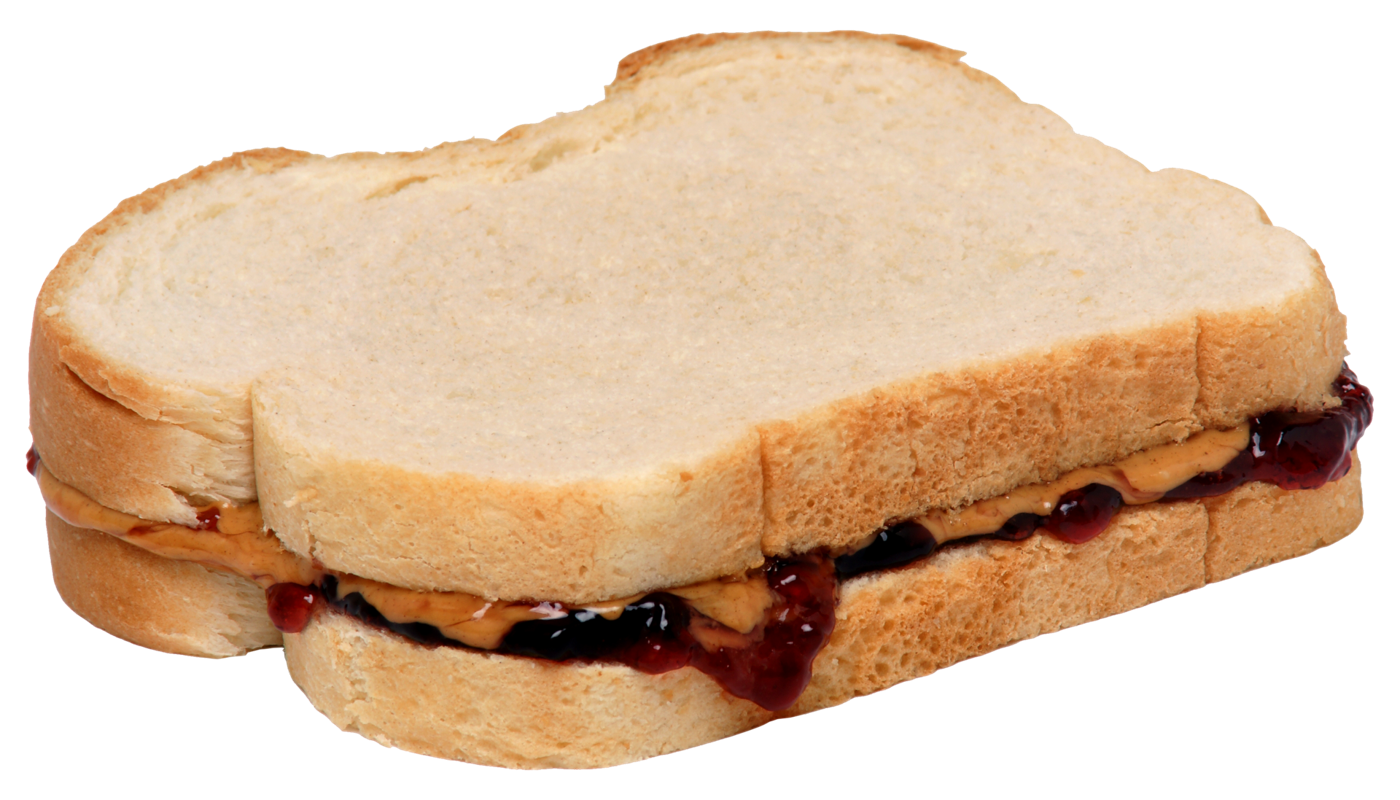
There's a classroom exercise that has been humiliating kids, coders and adults for decades. Write instructions for a peanut butter and jelly sandwich. Someone follows them exactly. Nobody gets a sandwich on the first try. Here's why that's one of the most important lessons you'll ever fail.
The teacher stands at the front of the room with a loaf of bread, a jar of peanut butter, a jar of jelly and a knife. The kids have written instructions. Step one says "put the peanut butter on the bread." So the teacher picks up the jar, unopened, and sets it on top of the loaf. Step one: complete.
That's the whole trick. The person following the instructions pretends to be a machine that does exactly what the words say, and nothing they don't. No common sense. No filling in the gaps. The jar is never opened unless someone writes "open the jar." Twisting the lid the wrong way is fair game.
It sounds like a joke. It is a joke. It's also one of the oldest ways teachers explain what an algorithm is, why computers do dumb things, and why "just do the obvious thing" isn't an instruction.
What you wrote vs. what you got
BUG REPORT| THE INSTRUCTION | WHAT A LITERAL ROBOT DOES |
|---|---|
| Put peanut butter on the bread. | Places the sealed jar on top of the bag of bread. |
| Open the jar. | Which jar? Opens the jelly. You meant the peanut butter. |
| Take out two slices. | The bag is still closed. Rips through the plastic. |
| Use the knife to get peanut butter. | Holds the knife by the blade. You never said which end. |
| Spread it. | Spreads it on the plate. Then the palm of its hand. |
| Twist the lid counterclockwise until it comes off. Set the lid down. Hold the knife by the handle… | Now we're getting somewhere. Version 6 makes a sandwich. |
A YouTuber named Josh Darnit filmed his kids writing PB&J instructions while he followed them as literally as he could. The video, the "Exact Instructions Challenge," went viral, and teachers have been showing it in classrooms ever since. The kids rewrite their instructions again and again, getting angrier and more precise with each draft. Which is exactly the point.
At Harvard, computer science professor David Malan has done a live version of the demo in his intro course CS50: he takes instructions from the audience and builds the sandwich on stage, badly, on purpose. He's said he lifted the exercise from his own fifth-grade class.
yep, that's me, holding a knife by the blade, with the jelly jar balanced on my head. you're probably wondering how i got here. two words: "you know." (you said "you know what i mean." i did not.)
Why this exercise matters
THE ACTUAL LESSONIt shows you your assumptions. You know the jar has a lid, the lid unscrews, and the knife has a handle end. A machine doesn't. Neither does a new hire, a kid, or someone who grew up eating different food. Every instruction you write is full of things you didn't know you knew.
It's what code is. A program is just a sandwich recipe for a machine that can't guess. Programmers call the gaps edge cases: what if the jar is empty? What if there's one slice left? Good code answers those before they happen.
It teaches loops and conditions without saying so. "Spread until the bread is covered" is a loop with a stop condition. "If the jar is empty, get a new one" is an if-statement. Kids who pass this exercise have already learned half of a programming class.
It's debugging. You test your instructions on a person, watch what goes wrong, fix the step, and run it again. That cycle is how every bridge, app, recipe and rocket gets made.
And it's everywhere now. Flat-pack furniture instructions, legal contracts, lab procedures, the directions you text a friend at night, the prompts people type into AI. The person who can write clear instructions runs the room. This manual was written with AI, and yes, the instructions had to be very specific.
The working algorithm
VERSION 6 · PASSED REVIEWThe parts list
CATALOGUE · NUMBERED ENTRIESEvery variable in the program has a backstory. Here's the catalogue.
Sliced bread
bread_bagSliced bread didn't exist before 1928. An inventor named Otto Rohwedder built the first commercial bread-slicing machine, and the first sliced loaves went on sale in Chillicothe, Missouri, in July 1928. The town still calls itself the Home of Sliced Bread. Before that, the sandwich started with a knife fight.
Peanut butter
pb_jarIn 1884 a Canadian chemist, Marcellus Gilmore Edson, patented a peanut paste. In 1895 John Harvey Kellogg (yes, the cornflakes Kellogg) patented a process for nut butter as a protein food for patients who had trouble chewing. Peanut butter hit the big time at the 1904 St. Louis World's Fair.
Grape jelly
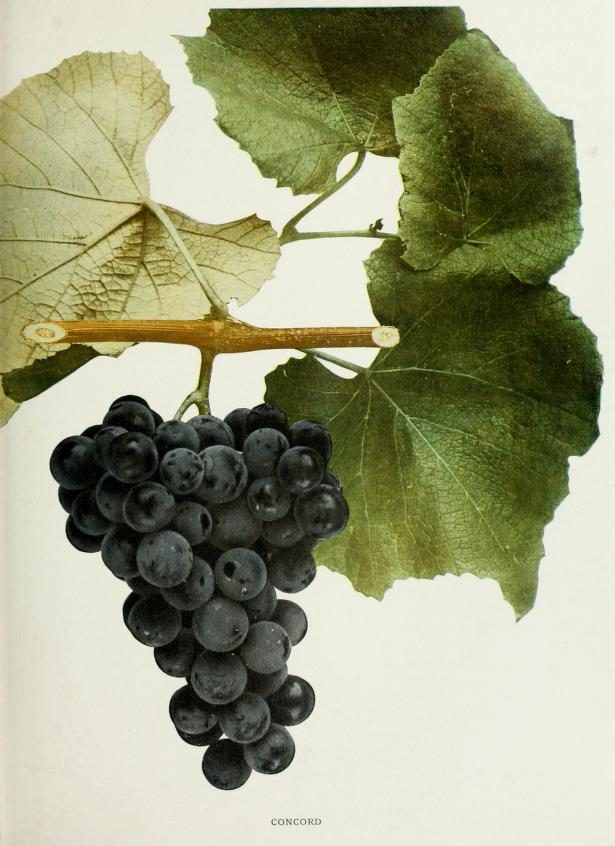
jelly_jarThe Concord grape was bred in Concord, Massachusetts, by Ephraim Wales Bull, who started it from wild grape seedlings in 1849. He barely made money from it. A dentist named Thomas Welch started bottling its juice in 1869, and his company introduced a grape spread in 1918.
The first recipe
sandwich_v0The earliest known printed PB&J recipe is from Julia Davis Chandler, in the Boston Cooking-School Magazine, November 1901. Her version: thin layers of bread, peanut paste, and currant or crab-apple jelly. Not grape. She said that as far as she knew, the combination was original.
Ask anyone who invented peanut butter and they'll say George Washington Carver. He didn't. The patents above were filed years before his famous peanut work, and the National Peanut Board says so plainly.
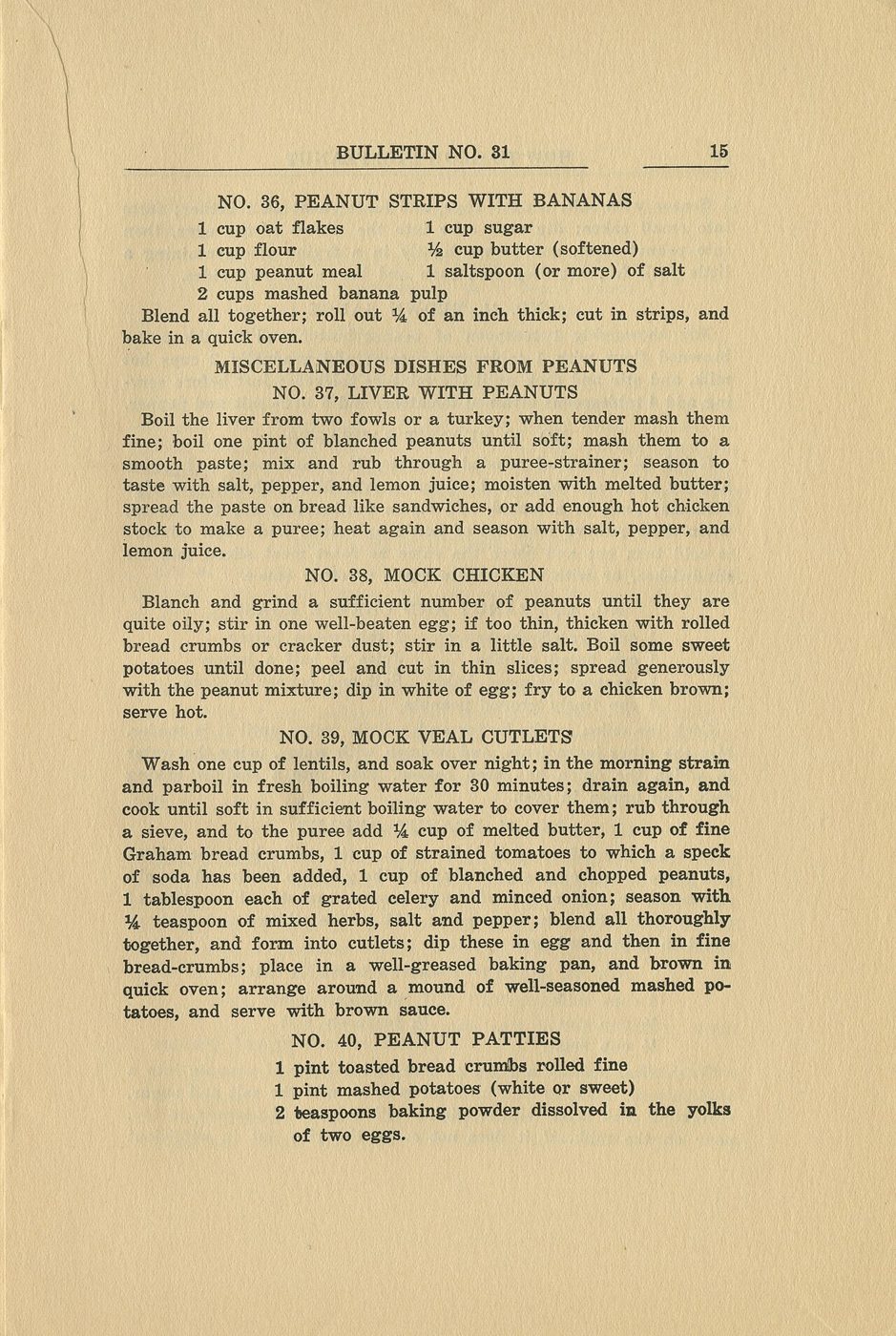
What Carver actually did is cooler. He was an agricultural scientist at the Tuskegee Institute who pushed peanuts as a crop for Southern farmers, and to get people to eat them, he published a bulletin in 1916: How to Grow the Peanut and 105 Ways of Preparing It for Human Consumption. One hundred and five recipes. He didn't invent the spread. He wrote the manual.
Who should run this exercise
ASSIGNED READINGThe Teacher
CLASS OF 25 · 1 LOAF · BACKUP JARDay one of any coding, writing or science class. Bring paper towels. Bring more paper towels.
The New Coder
WRITE IT · RUN IT · FIX ITBefore you learn a language, learn to be this specific in English. The syntax is the easy part.
The Parent
KIDS WRITE · YOU OBEYLet the kids be the boss and follow their words to the letter. Film it. You'll understand why it went viral.
The Manager
REWRITE YOUR ONBOARDING DOCIf a new hire keeps "getting it wrong," check whether your instructions skipped the jar lid.
The Prompt Wizard
AI · SPECIFICITY · EXAMPLESSame skill, new machine. Say what you want, the format, the edge cases, and what done looks like.
The Literal Robot
THAT'S EVOLDoes exactly what you said. Not what you meant. Never what you meant.
tl;dr — answer key
- The exercise: write PB&J instructions; someone follows them exactly.
- Everyone fails the first time. The failures show your hidden assumptions.
- It's what programming is: instructions for a machine that can't guess.
- Loops, conditions, edge cases, debugging: all inside one sandwich.
- Sliced bread: 1928, Chillicothe, Missouri.
- Peanut butter: patents by Edson (1884) and Kellogg (1895), not Carver.
- The first PB&J recipe (1901) used currant or crab-apple jelly.
- Write clearly and you run the room, whether it's people, code or AI.


THE LEDGER
every hole in this manual, in one place. 10 doors. pick one. we're not responsible for where you end up.
OFFICIAL
- CS50 cs50.harvard.eduHarvard's intro to CS. free online. yes, really
- George Washington Carver nps.govhis national monument, run by the Park Service
- National Peanut Board nationalpeanutboard.orgthe peanut people settle it: not Carver
RABBIT HOLES
- edge cases csunplugged.orgCS Unplugged: computer science with no computer. more sandwich-style lessons
- Ephraim Wales Bull discoverconcordma.comConcord's own magazine on its grape's very weird life
- Julia Davis Chandler tastinghistory.comTasting History recreates the 1901 original. currant jelly and all
READ
- Exact Instructions Challenge laughingsquid.comLaughing Squid on the video that teachers still show
- David Malan news.harvard.eduHarvard Gazette: where he got the sandwich bit (fifth grade)
- Marcellus Gilmore Edson thecanadianencyclopedia.cathe Canadian chemist with the 1884 peanut paste patent
WATCH
- Josh Darnit youtube.comthe dad who ruined a thousand sandwiches on camera
Made it to the end? You're a minion now.
New manuals drop every 13th. Get them first, read every one free, or slap a sticker somewhere to show you've been here.
found this printed somewhere? read it, then leave it somewhere weirder. field manuals are supposed to travel.